
Sometimes we need a respite more than we need a vacation, or even before we can be fully present for a vacation. What’s the difference between a respite and a vacation? The dictionary tells us that a respite is a short period of rest or relief from something difficult or unpleasant, while a vacation is an extended period of recreation. When I left my home in Washington 10 days ago and headed for the beach, I was fleeing from a stressful and frustrating situation. What I didn’t foresee was how many days it would take before I really felt like I was on vacation.
I knew I had to lower my stress level, and so I set some intentions from the start, the most important being to limit my email. I turned the mail function off on my devices and decided to only turn it on twice a day to check for things that were important. The rest of the time, I vowed not to check it at all.
Here are my other intentions: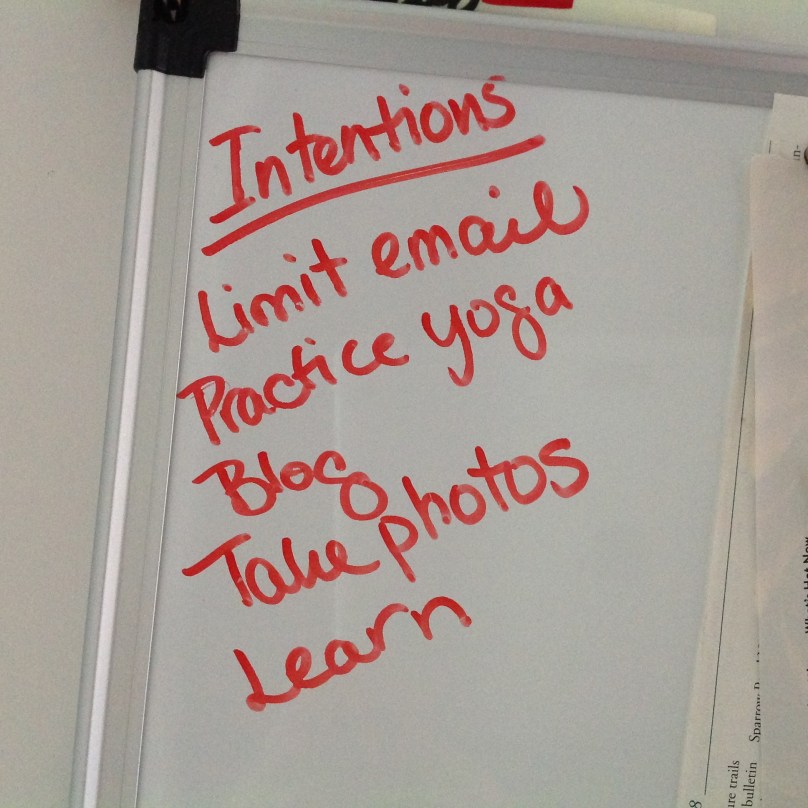
I had been neglecting my yoga practice at home. In addition, I needed to spend some time learning how to use my new camera and updating my continuing education credits, as well as this blog. But it turned out to be many days before I could focus on the more mentally-tasking intentions.
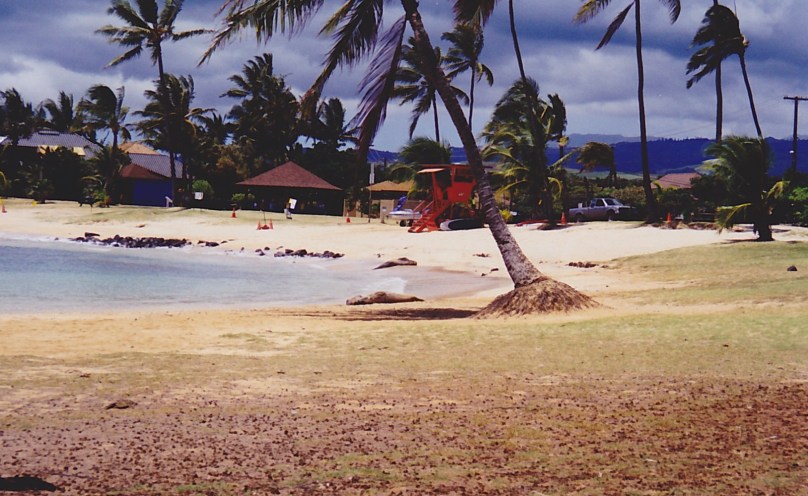
On my first morning, I went to a yoga class and felt some of the stress begin to lift. On my second morning, I began a week of going out with other volunteers to monitor sea turtle nests on the beach. Each day at sunrise when we would begin our walk down the beach, a feeling of complete well-being would come over me and I would utterly relax. When we released some straggler baby turtles near the ocean one day, and people gathered to cheer them on as they made their way, I was filled with gratitude to be part of something so simple yet so much bigger than myself.

The remainder of my first four or five days was spent reading books. I couldn’t seem to bring myself to do much more than that. Overcast weather justified my couch potato tendencies a bit, but if I’m honest I admit that I just didn’t have the energy or interest to do more than that. I finished three books in rapid succession, and would have read more if they had been available. Other people’s stories have always felt like a refuge for me when I needed one.
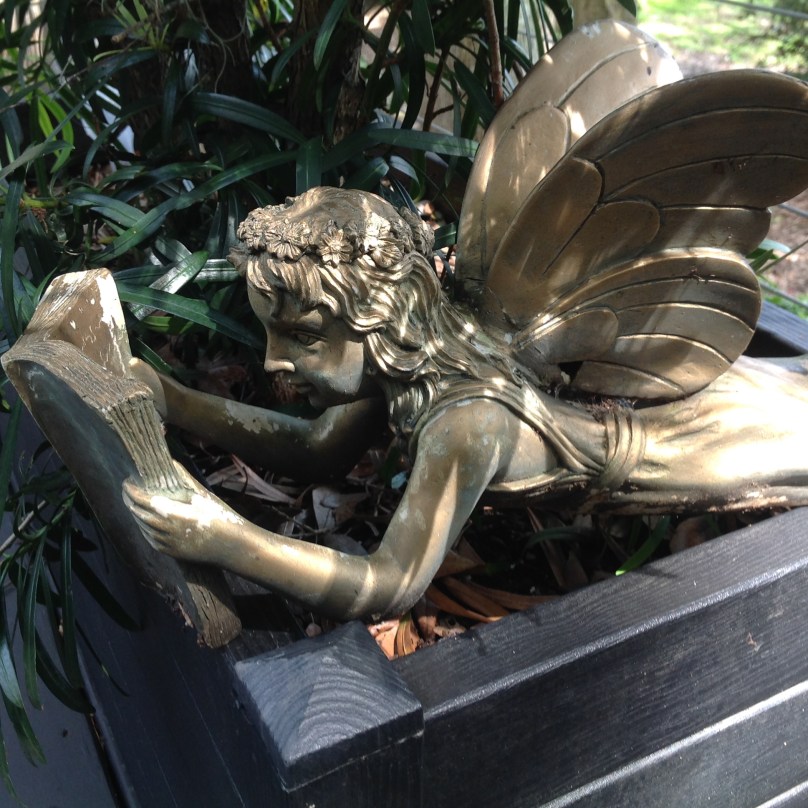
By the fifth day, the sun came out, and with it my readiness to be “on vacation.” I finally felt like I could enjoy the recreation part of my stay — the swimming, boating, biking and other fun. I took my camera out and experimented with its different settings. I spent the hot part of one afternoon doing an online class to fulfill my CE requirement. I went kayaking with my husband, and enjoyed that wonderful feeling of physical tiredness that comes from exertion. It was such a welcome change from the mental and emotional exhaustion I was feeling a few days earlier.
Thich Nhat Hanh says that,
The purpose of a vacation is to have the time to rest. But many of us, even when we go on vacation, don’t know how to rest. We may even come back more tired than before we left.
I feel lucky that I had enough time to give myself both that respite and a vacation. But what I learned is that I need to build in more respites for myself at home, and probably more boundaries to keep myself from getting to the point of so much stress. Time to set more intentions!


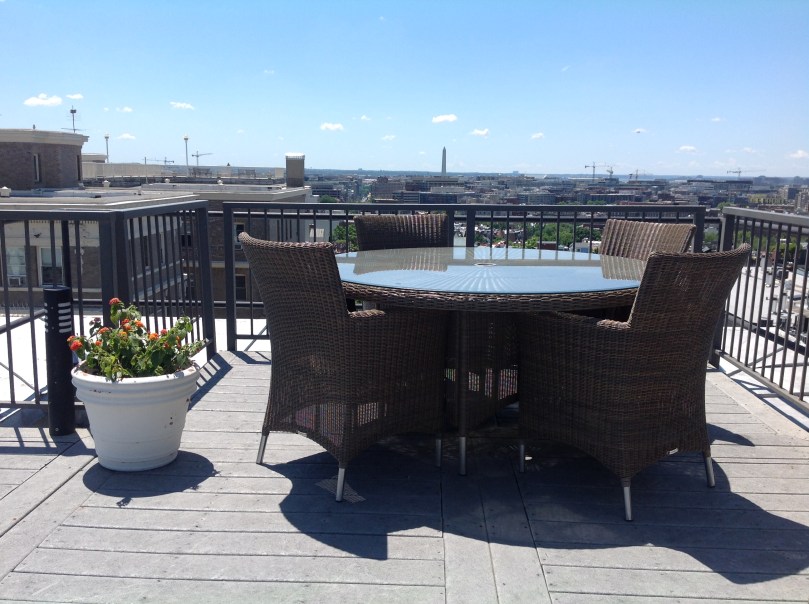
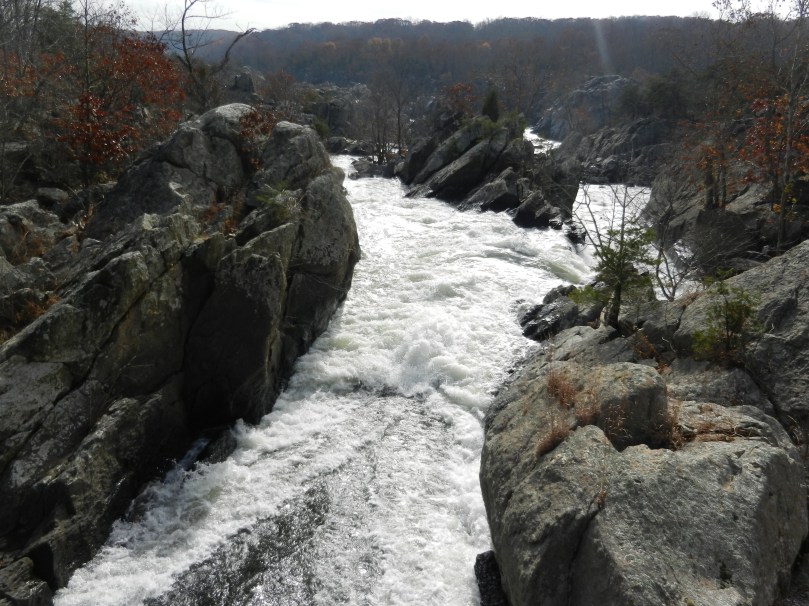 Great Falls Park – the rocky passage of the Potomac down the Mather Gorge, accessible by way of the Olmsted Island bridges, provides a pretty awe-inspiring outing that I never tire of.
 The monuments, while man-made, have a whole lot of grandeur about them.
 In America, we can’t compete with the Greeks or Romans on the ancient past, but we do have the advantage of recent history here in Washington:
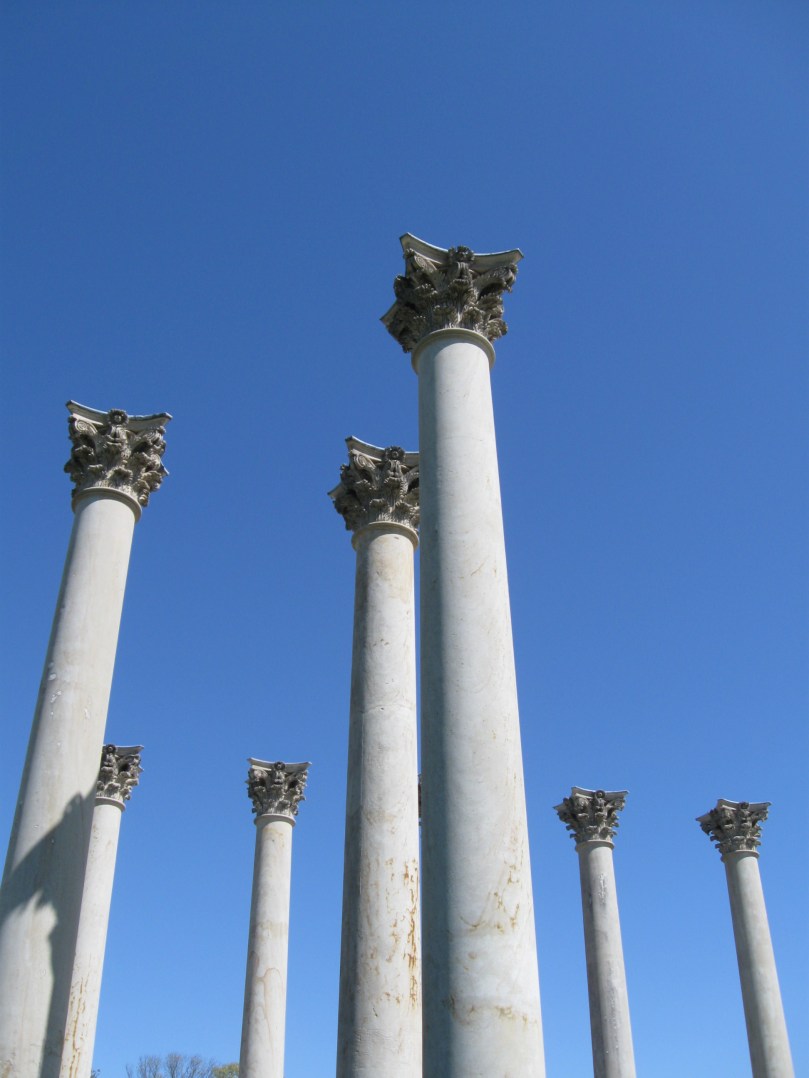 The original columns from the U.S. Capitol can be seen at the National Arboretum. The way they rise up out of nothing, in the middle of a huge expanse of green, is spectacular.
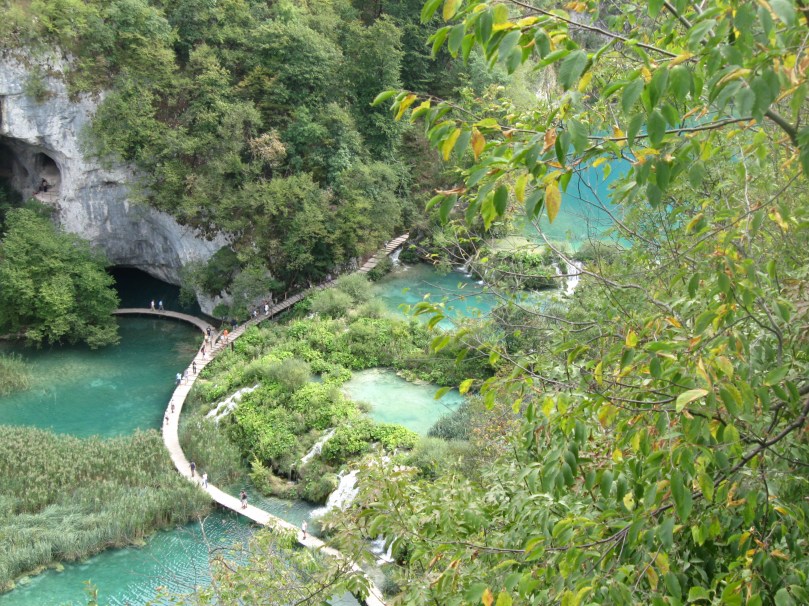
 In both Ireland and Australia, I took breathtaking drives along coastal roads. That’s tougher to replicate here where we’re inland, but how about the cherry blossoms in spring: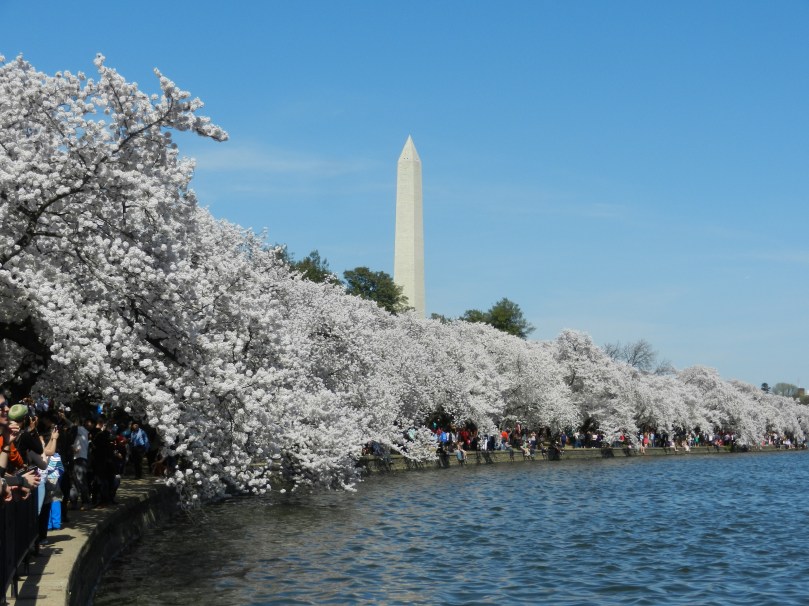
 Are you feeling like it might take a miracle to get through the next four years? Do you doubt how much control you have over what happens to you? If so, it might be a good time to take stock of your physical, emotional and psychological “bank account”. What resources do you have and how can you best put them to use?



 It’s not easy to compose each text and email as if we were sitting down with a pen, paper, and all the time in the world. The world around us insists that we rush and multi-task, that everything we own have multiple functions, that every thought and emotion be shared. Can we resist just a little? Take a breath, and decide, “I don’t need to say what I’m thinking right this moment. I can do better than that. I can be better than that.”
 Unfortunately, we probably aren’t getting any beneficial nutrients from our rumination process. In fact, when someone tends to chew things over, and also has a pessimistic explanatory style, they are more prone to depression. Such nonstop rumination with no positive action statements not only fuels depression, but has been shown to extend the cortisol release that happens during stress.
 but only make him more anxious. If I catastrophize about this move by engaging in negative self-talk about it, that can only hurt. Focusing on strengths and practicing positive self-talk will help dispel fear, and leads to:
 discover santosha