Looking in the mirror

“What did I receive today? What did I give today? What troubles did I cause others today?” These are the questions that form the core of the Japanese meditation practice called Naikan. It is not about keeping score; rather, it is a way of putting life in perspective and acknowledging our interdependence.

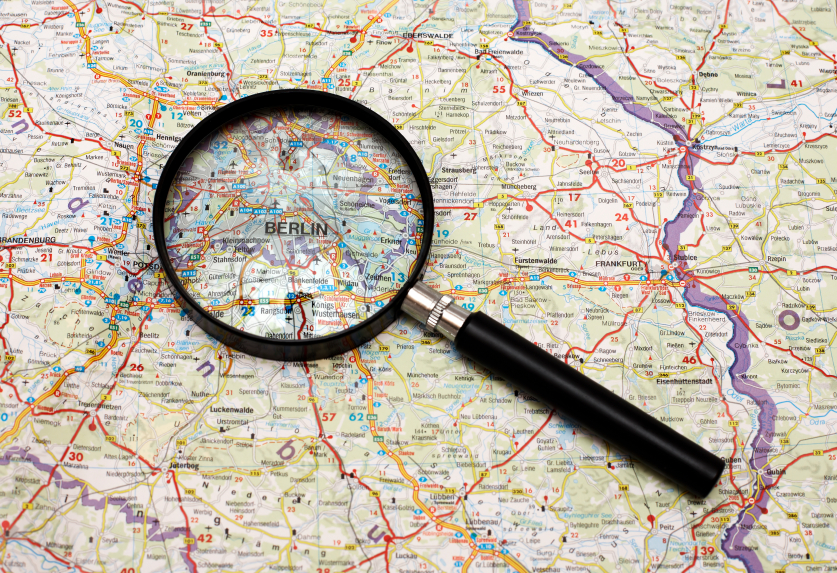
The word “Naikan” can be translated as “inside looking”. The practice was developed by Yoshimoto Ishin in Japan as an accessible method of structured self-reflection. In the U.S., the ToDo Institute offers programs in Naikan and other methods of purposeful living. They refer to the practice of Naikan as being like a “shift from a zoom lens to a wide-angle lens”.

So what did I receive today?

  • A good cup of coffee made for me by my husband
  • An invitation from my friend for dinner
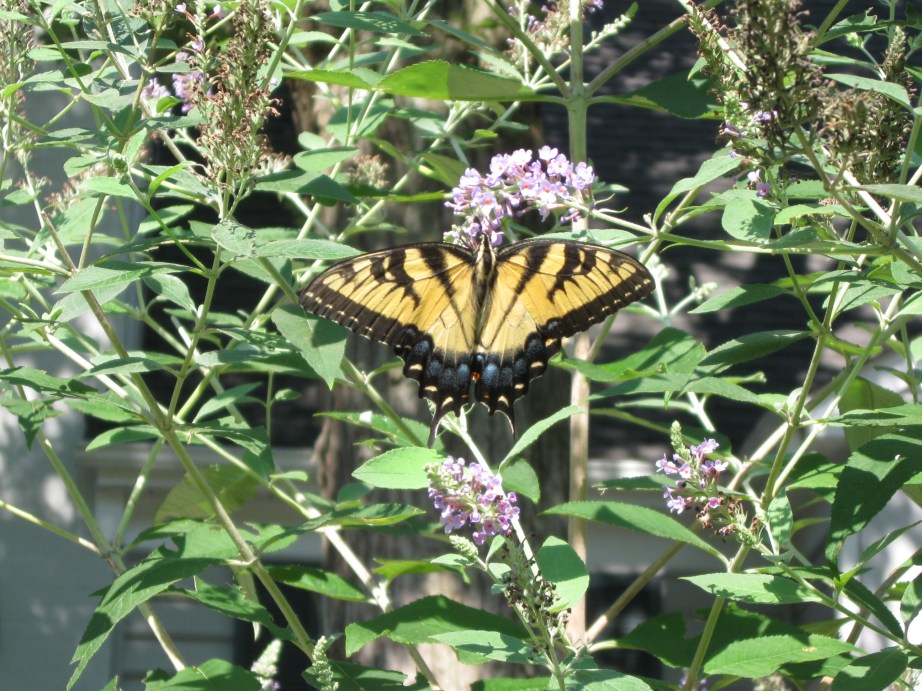
  • Pleasure from the butterflies attracted to our yard by the bush my husband planted
  • I wore a robe that was given to me by my mother
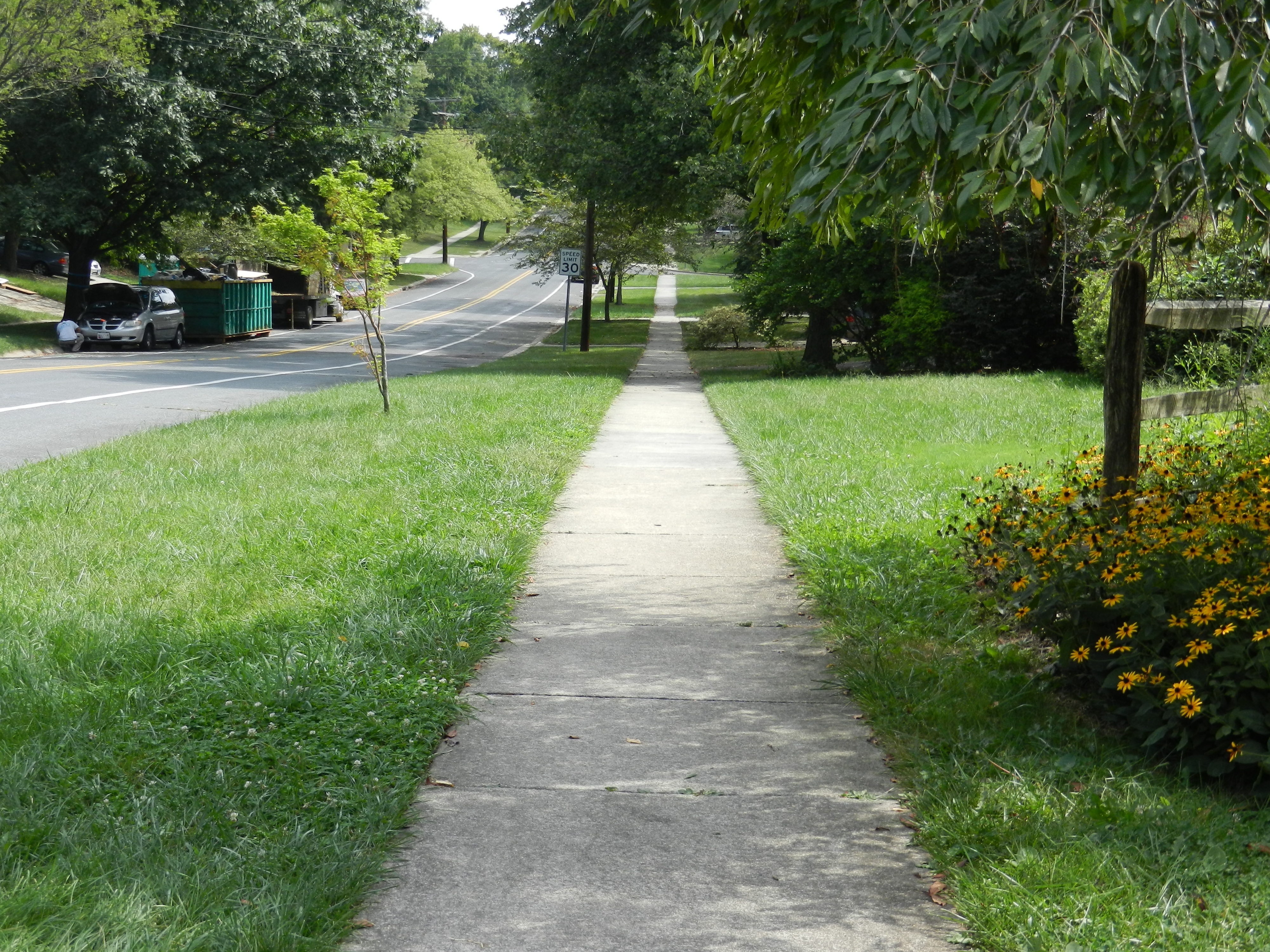
  • A walk on safe sidewalks and streets in my neighborhood built by my county government
What did I give today?

  • I bought groceries and made dinner for my family
  • I invited my neighbor to walk with me
  • I listened to the chatty person who kept me from my work
  • I collected things I no longer need so I can give them to charity

What troubles did I cause others today?

  • I kept the light on when my husband was trying to sleep
  • I hurried my son when he was talking to me so that I could read the newspaper
  • I was impatient with people in the store parking lot

Practicing Naikan reflection can help alleviate stress too. By stopping to appreciate the things other people do for us, we acknowledge that they have a choice, and we can’t just expect that they will do what we want. That helps us let go of rigid ideas of the way things are “supposed” to be. At the same time, by reflecting on the trouble we might be causing others, we become aware of the ripple effect of our actions and the possibility that they might be the source of some of the conflict in our lives.

Asking the questions can be revealing. Did my impatience impact how someone else’s day went? Am I failing to appreciate someone who is doing a lot for me? What would others say that I gave them?
Taking the time to examine my day, even down to the tiniest interactions, takes me out of the “I’m the center of the universe” mindset and reminds me that every day I depend on others to do their jobs, to make me smile and to challenge me to be my best self. President Obama’s recent comment, “You didn’t build that,” was taken out of context and criticized by many of his opponents. But what I think he meant to say was, “You didn’t build that alone.” Our success, good fortune, and wellbeing are not just a result of our own choices, actions and temperament; they are built on the cumulative choices and actions of people who came before us and who work and live alongside us.

As Albert Schweitzer once said, “Just as the wave cannot exist for itself, but is ever a part of the heaving surface of the ocean, so must I never live my life for itself, but always in the experience which is going on around me.”
Something to teach, something to learn

Today I learned that my new yoga teacher is about to be a high school senior. I knew she was young, but not that young. She had just led us through a vinyasa flow class that was challenging, yet gentle; energetic, yet calming. Everyone thought it was great.

I am amazed by the grace and composure of this 17-year-old. When I think back to myself at that age, I can’t imagine even doing what she does, let alone doing it so well.

What makes a good teacher? Passion, confidence, knowledge? Along with those attributes, I believe that a good teacher cares deeply about her students, demonstrates it, and has the wisdom to know that there is as much to learn from them as there is to teach to them.

We benefit most as students when we let go of any expectations we have about what our teacher should be. Age, sex and size don’t define a talented yoga teacher, just as degrees and credentials don’t define talent in a college professor. Losing the words “should”, “ought”, and “must” from our vocabulary opens the door to invaluable experiences, and prevents a lot of the stress that comes from the belief that situations have to evolve in a certain way. Opening that door prepares us to engage, learn and make the most of what life, and our teachers, offer.

Certainly I used to be more rigid than I am today. From my children, I learned to be patient and adaptable. From my older relatives, I learned about dignity. From my friends, I learned to be compassionate and understanding. From my neighbors, I learned about community. From difficult people, I learned to forgive and let go.

Perhaps the most self-discovery comes when the lines between teacher and student blur, and we realize that there is something to be learned from everyone we meet. Every interaction is an opportunity to uncover something we already knew, but weren’t seeing. I only hope that I am able to touch other people the way my new yoga teacher touches me.

Seize the day

Good time management can help most of us avoid a lot of stress. Setting goals, planning out the day ahead of time, and working during our most high-energy hours can lead to greater productivity, less time pressure and a calmer life. Sometimes, though, it’s best to let serendipity win out over planning.

Case in point: yesterday was a gorgeous day. It was one of those days where the sky is a completely cloudless, brilliant blue. The day was warm, but the humidity was low. It was the best day we had had, or were going to have, this entire week.

So when my friend said to me after a morning yoga class, “What are you doing today? Let’s get something to eat and then take a long walk – it’s so beautiful today!” I barely hesitated. It’s true that thoughts of my to-do list, and the vague commitments I had for the day did cross my mind. But I quickly realized that there was nothing so pressing that it couldn’t be done later in the day, or even the next day.

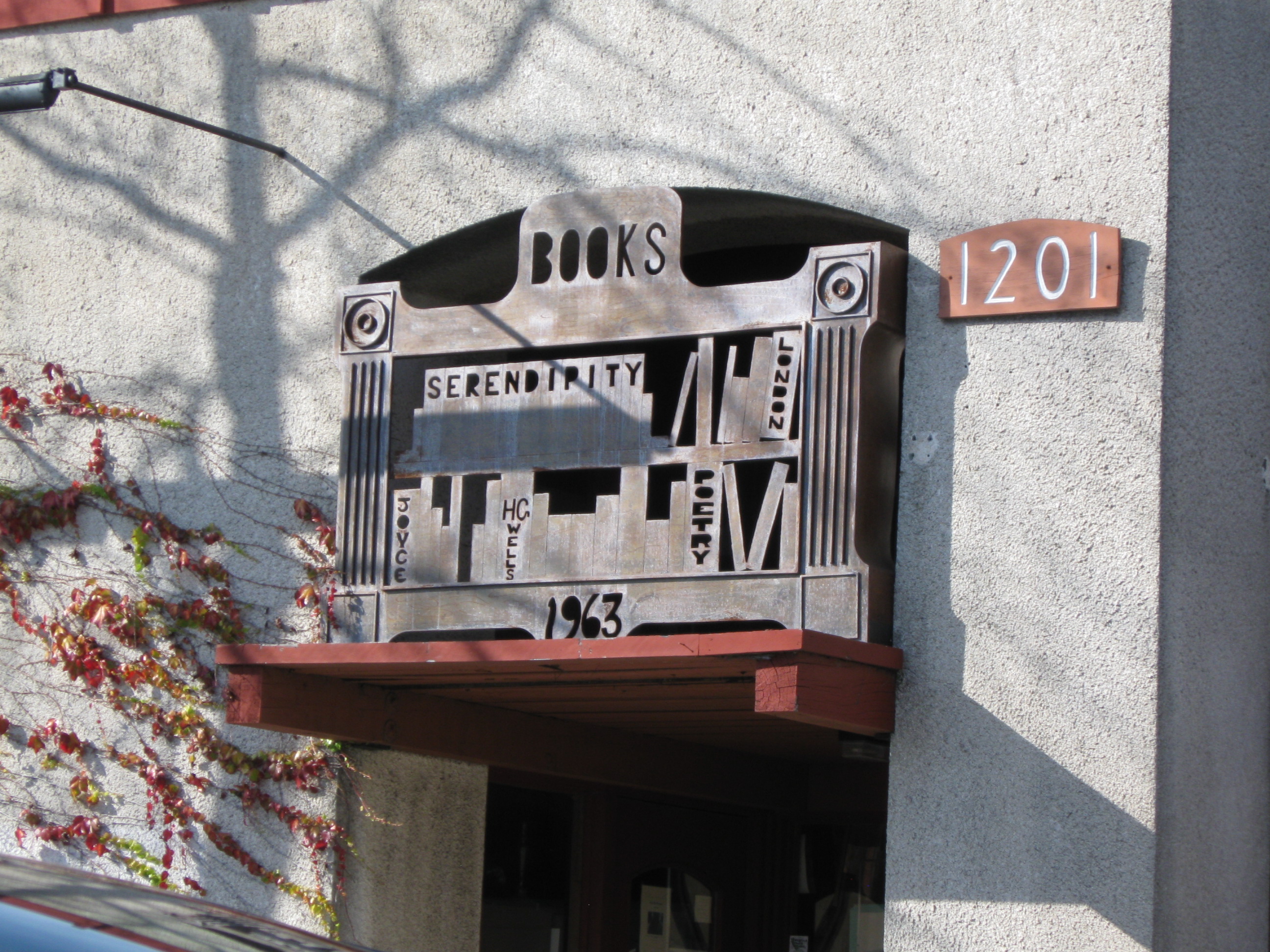
The word “serendipity” is a difficult one to define and translate, but it essentially means discovering something by accident while looking for something else, or finding something wonderful when we weren’t looking for it at all.  It’s possible to let serendipity play a role in daily time management, just by being aware of, and open to, the opportunities and beautiful moments that might turn up in the course of the day. Michael Olpin and Margie Hesson, in their text on stress management, suggest ‘split-page scheduling’ – dividing your planner page with a line down the middle, listing your plans, activities and appointments down the left side, and leaving the right side blank until the end of the day. Then you use the right side to record the unpredicted moments that arose during the day, such as “a new acquaintance, a fresh idea, a child’s question, an unexpected opportunity, a friend’s need, a chance meeting, a beautiful sunset.”

By opening ourselves to a certain amount of spontaneity in the day, we have the possibility of becoming more creative, experiencing life more fully, and even choosing to take new directions. We allow ourselves to enjoy the journey more, while not losing sight of the destination.

Yesterday, I spent a few lovely hours with my friend, walking and talking. We learned more about each other, enjoyed the fresh air and exercise, and came home hungry and tired. Even with my sore feet (lesson learned: don’t walk 4 miles in flip-flops), I still felt invigorated when I got home. I was able to get some of my work done, I enjoyed the process of preparing dinner more than usual, and I slept well. It felt like a day well-lived.

Look to this day!

For it is life, the very life of life.

In its brief course

Lie all the verities and realities of your existence:

The bliss of growth;

The glory of action;

The splendor of achievement;

For yesterday is but a dream,

And tomorrow is only a vision;

But today, well lived, makes every yesterday a dream of happiness,

And every tomorrow a vision of hope.

Look well, therefore, to this day!

“Kalidasa,” ancient Sanskrit poem

Cicada vs chain saw

Sounds I hear while meditating:

Cicadas

The hum of something – traffic? A lawnmower?

Yipping of a small dog

A hammer

A chain saw

My breath

There’s something incredibly comforting about the sounds I hear on an average day in my neighborhood: the insects, the birds, construction on a neighbor’s house, the sound of children playing. Like a baby who becomes accustomed to its mother’s voice while in her womb, these are the sounds that tell me everything is “normal”, life goes on.

But when I sit down to meditate, these sounds can also serve as a focal point. Following the breath in mindfulness meditation is very popular, but sometimes I find it difficult to stay focused on the breath. So what I like to do is to just sit and experience the sounds in my environment, especially in the spring and summer. If the windows are open, I can hear a lot of sounds from outdoors, both natural and manmade. Today, with the windows closed and the air conditioning on, most of the sounds were distant and muffled. My house was silent; I couldn’t hear appliances, air conditioning or computers from where I was sitting. So I became very aware of what was happening outside.

Most of the time, we don’t focus on the sounds around us, unless they are exceptionally pleasant or irritating. Sound just becomes a background for whatever we are thinking or doing at the moment. But when I stop and listen to each sound separately, it’s easier to find the quiet spaces between them. Deepak Chopra has said that, “Meditation is not a way of making your mind quiet. It’s a way of entering into the quiet that’s already there.” Although it seems counterintuitive, paying attention to sound helps me find silence.

While there aren’t many rules for meditating, having a passive attitude (nonjudging) is recommended. One way to achieve this is by becoming the observer rather than the thinker: I am not my thoughts, so I can note them and watch them pass with a sense of detachment. Observing the sounds around me helps with this, because they seem so remote and apart from me. The sound of the chain saw is no worse or better than the sound of the cicada; they both merely exist.

Heightening my awareness of sound, and observing it passively, can lead, I hope, to becoming a less judgmental observer of myself and others. Can I apply that kind of awareness to my own emotions and attitudes, learning to see and identify them before I act on them? The Dalai Lama says that “It is really a matter of habit…the more habituated you are to this awareness of the rising of emotion, the awareness in itself creates a separation between you and the emotion…”

So I listen to the sounds of my neighborhood, and hope to create a habit.

Aftermath

One of my favorite sayings is, “When you change the way you look at things, the way things look changes.” But is the opposite true as well? When the way things look changes, do we look at things differently?

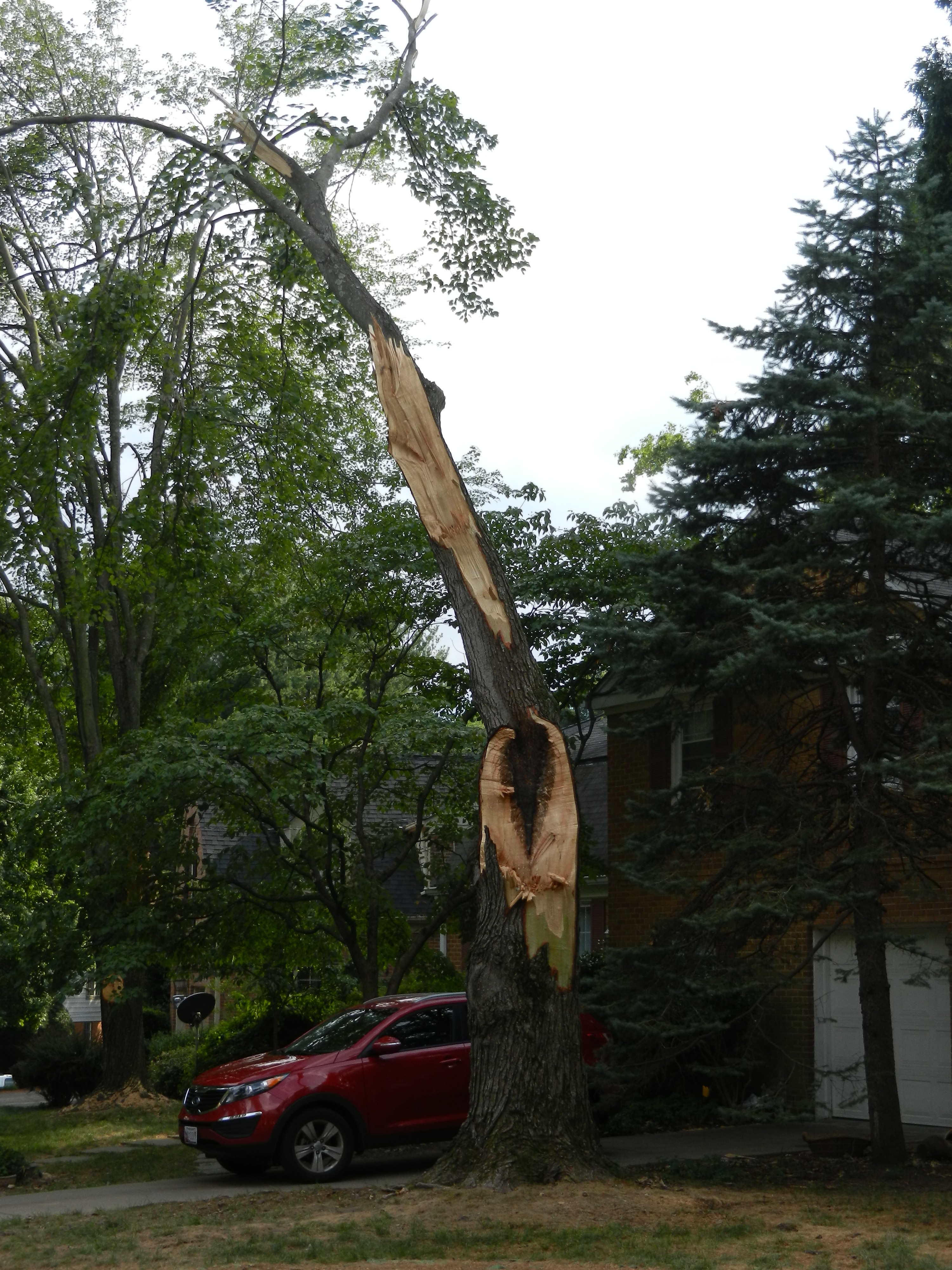
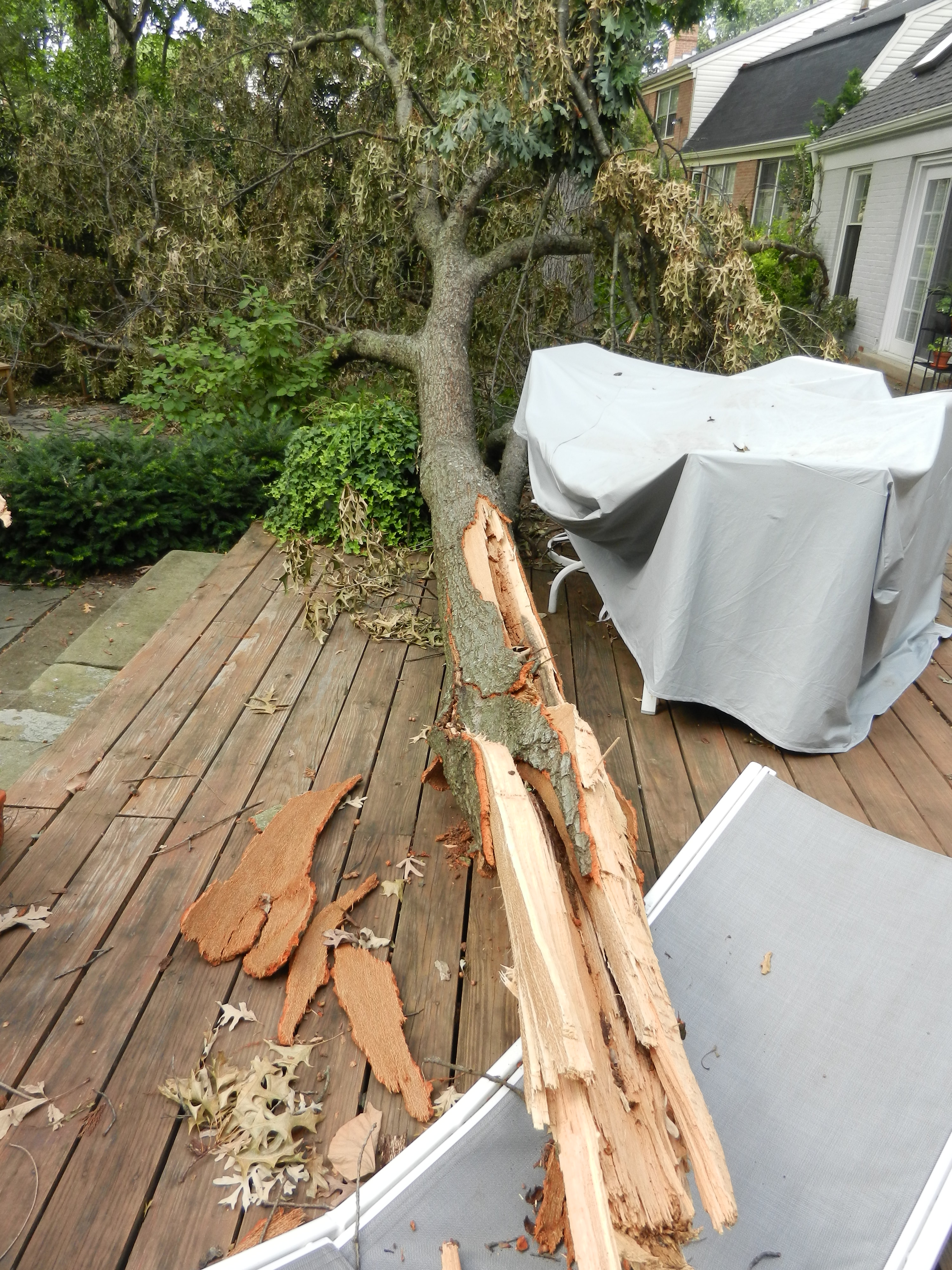
Ten days ago, a powerful storm brought down thousands of trees and caused widespread, prolonged power outages in the area where I live. Initially, everyone’s concerns related to the lack of power – the unremitting 100 degree heat, the spoiled food, the reduced communication ability, and the traffic delays. But now that the power is back on, this week we are dealing with the damage. So many trees snapped in half in my neighborhood that our vistas will permanently change.

The leaves on the fallen limbs have quickly turned from green to brown. The birds are finding strange new places to alight, close to the ground. Every morning we wake to the sound of chain saws and mulching machines. Some tree trunks are still standing, but they will have to be removed later because the trees aren’t salvageable. Now we have sun where there used to be shade, open views where there used to be tree canopy, and exposure where there used to be protection.

It’s hard to know how to feel about this change in perspective. There’s a certain sense of disorientation from the light and the openness. I’m reminded of the David Byrne song, “Once in a Lifetime”, where he says, “You may tell yourself, ‘This is not my beautiful house’”. There’s an unreal quality to the new view.

It’s hard to see benefits and opportunities while we’re spending hundreds of dollars to clean up broken trees. But if I try to change the way I look at it, I can welcome the light. I can look forward to growing sun-loving flowers instead of shade plants. I can expect fewer leaves to clean up this fall. I can picture myself sitting under the festive outdoor umbrella that I’ve never needed before.

Everything changes, and we don’t always get to choose how or when. Marcus Aurelius wrote, “Frightened of change? But what can exist without it? What’s closer to nature’s heart?…Can any vital process take place without something being changed?”

Everything changes. When I accept that, I can begin to see the beauty in my new view.

Living with uncertainty

“Stress levels increased since 1983,” read the headline in USA Today last week. Not surprised? What’s interesting is why stress is higher for some people than others.

Sheldon Cohen and Denise Janicki-Deverts analyzed three national surveys (1983, 2006 and 2009) that used the same measure of stress. In all three, women’s stress was consistently higher than men’s, younger people had more stress than older people, people with less education reported higher stress than those with more, and people with lower incomes showed more stress than people with higher incomes.

What was different between 2006 and 2009 was that the increase in stress after the economic downturn was almost totally driven by middle-aged, college-educated, white men who were employed full-time. Cohen and Janicki-Deverts theorize that this finding could be related to the “threat of job loss, actual job loss, or loss of retirement funds.”

But what I see is that this could also be about loss of power and control. It’s not news that people who are lower in a hierarchy have more stress than those on top. And since it’s also still true that most of the power in our society is held by white middle-aged men with college degrees and full-time jobs, in some senses those people had the most to lose when the economy turned sour.

The stress levels of women, the young and the poor didn’t increase significantly because their position in the hierarchy didn’t change much. But for white, middle-aged men, the downturn may have been the first time they felt themselves to be on shaky ground. All of a sudden, there were no guarantees.

The Company Men”, a film about the economic downturn, portrays this theme convincingly. The main characters, who thought they had it made, suddenly were experiencing the uncertainty that other groups have traditionally lived with. Depending on their access to coping strategies, they either weathered the storm or were destroyed by it.

Our new reality is that many of us will be living with uncertainty for a long time. So how do we inhabit that reality in a way that doesn’t wear us down and make us sick?

  • Recognize what you can control and what you cannot. The stock market is out of our control. So are the actions of other people. But we can control how we react to events. Focus on what’s present right now instead of worrying about what can’t be predicted or controlled.
  • Be careful of how you talk to yourself. Too often, we limit ourselves by having a negative narrative going on in our minds (I’m not good enough, I’m too old, I’ll be next to lose my job). Practice replacing those negative thoughts with positive statements.
  • Believe in yourself. Easier said than done, right? It takes practice to change how you think of yourself. But if you remind yourself of the way you’ve handled situations in the past, and all the things that you are capable of, your ability to believe and trust in yourself will increase.
  • Write about it. James Pennebaker and others have shown that people who write about their feelings every day for several days can improve their moods and feel better emotionally.
  • Have a sense of humor. It helps us change our perspective on life events and sometimes even turns a potential stressor into something less threatening. Know what kinds of jokes, movies or comics are sure to make you laugh, so that you can turn to them when necessary.
  • Consider the idea of change as opportunity. As Claude Bernard once said, “Man can learn nothing unless he proceeds from the known to the unknown.”


Knowing when to surrender

While doing child’s pose yesterday in yoga, our teacher said that the pose is also called “wisdom pose”. I had never heard this before, but as I thought about it, it made sense. In child’s pose, we need to relax and surrender to gravity, to make ourselves vulnerable like children. And in life, it often requires a lot of wisdom for us to fully surrender and let things be.

Do you ever think about how much energy you use up fighting things? From the mundane fights (traffic, kids’ bedtimes, the cable company) to more important fights (interpersonal conflict, problems at work, health issues), so much of our time is taken up with struggling against things that we sometimes feel like we’re not moving to anything.

Part of what drives us is the need to have and keep control of things in our lives. A feeling of control is important to managing stress; but so is realizing when something is out of our control, or deciding that control just isn’t worth the price it requires. So there might be times when it’s appropriate to “give in”, such as when maintaining a relationship is more important than winning an argument, or when the outcome is clearly more important to the other person than it is to you.

Exercising control is often a response to fear as well. Fear of change, fear of failure, fear of success, fear of facing difficult emotions – all can lead us to fiercely hold onto positions that really aren’t serving us. Bertrand Russell said that “to conquer fear is the beginning of wisdom.” And sometimes surrendering control, allowing events to happen and feelings to rise, is the beginning of conquering fear.

Sometimes when we are over-efforting, micromanaging every detail, too focused on the outcome, it’s easy to lose sight of the big picture. If we take a step back to see things as they are, and just stop trying so hard, we might be more successful in reaching our goals. Soren Gordhamer writes that “we can often make more progress and with less stress not by trying harder but by trying softer. By doing so, there is an ease to our effort…”

Top athletes and other types of performers know how to try “softer”, although they may call it by a different name. They train and practice for hours, but when called upon to perform, they have to let go of thinking through every move, step, or note and just let things flow through them. They have the wisdom to surrender, and to trust what is inside of them.

I just read about a study of centenarians showing that the people who live longest are the most optimistic and carefree, relaxed and upbeat, and notably non-neurotic. They are the people who let go of their stress rather than internalizing it. I don’t know if they are practicing child’s pose, but something tells me that they are also people who have learned the value of surrendering.

In the zone

Comfort zone, time zone, twilight zone, euro zone, green zone, in the zone? As we traverse in and out of various kinds of zones, how can we keep as balanced and true to ourselves as possible?

I just came back from a trip to three different countries in 11 days. While this trip sets no kind of record for whirlwind travel, it still demanded an expenditure of energy in both mind and body to find some kind of equilibrium each day. Stepping into another country takes me to the borders of my comfort zone, at least at first. Then I add crossing time zones, and life definitely takes on a twilight zone feel!

While the body can be helped by following good travel advice like refraining from caffeine and alcohol, drinking plenty of water, and exposing oneself to sunlight every day, how do we handle the mental stress?

I love having new experiences, seeing unfamiliar places, learning new things – but such growth doesn’t happen in my comfort zone. So I had to think about how best to navigate the challenges of meeting a lot of new people, learning my way around strange cities and communicating in places where I don’t speak the language.

On my trip, I happened to be reading Search Inside Yourself, a new book by Chade-Meng Tan about the mindfulness-based emotional intelligence curriculum he started at Google. In the book, Meng describes the emotional competencies that (according to Daniel Goleman) make up self-awareness: emotional awareness, accurate self-assessment and self-confidence.

Meng, who describes himself as a shy person, discussed how he prepared for a speech to a large audience by using these competencies of self-awareness. He made his ego “small enough that my ‘self’ did not matter,” and big enough that he “felt perfectly comfortable speaking alongside” the luminaries at the event. He also kept in mind his strengths and limitations so that he could focus “on adding value where [he] could contribute most.”

I realized that by bringing mindfulness and self-awareness to my experiences on my trip, I was better able to deal with the challenges and turn them into positive events. I’m not the bravest or most out-going person in the world, but by staying present and paying attention to people and situations, I was able to increase my self-confidence and to use my strengths to my advantage. For instance, as a spouse at a dinner with people in an industry in which I do not work, sometimes I might feel inadequate or not “high-powered” enough. But by focusing on my strengths in my own field of stress management, and being mindfully engaged with each person I met, I found that I had plenty to contribute to conversations.

In a similar way, as I navigated streets and neighborhoods, I relied on my strong sense of direction, my curiosity and my desire to see everything to give me the confidence to explore on my own. But I tried to stay emotionally aware so that I would know when I needed a break in the “comfort” zone of my hotel room.

The British writer Lawrence Durrell once said, “Travel can be one of the most rewarding forms of introspection.” In that spirit, I’m still tapping into Search Inside Yourself at home now. I plan to use some of the book’s tools, such as journaling and body scanning, to build even greater self-awareness. After all, we never know when the next trip outside our comfort zone will happen.

Transition Time

I’m getting ready to leave on a trip out of the country, and I find myself looking forward to the airplane flight. Is it perverse to look forward to 8 hours stuck on a plane, with uncomfortable seats, so-so food and potentially irritating fellow passengers? Maybe, but the reason I’m anticipating it is because of the time it will give me to shift my perspective from the hustle and bustle of home/work/pre-trip preparation to the rhythm of days spent seeing new things and mastering unfamiliar cities.

Skipping transition time can make it more difficult to change tasks. From the toddler who has a tantrum when a play date abruptly ends, to the adult who has to go from meeting to meeting all day, everyone needs space to process change. When we don’t leave enough time before and after each activity, stress is often the result, either because we can’t stick to our hectic schedules, or because we just don’t have time to think.

When we experience stress in the emotional center of the brain, other executive functions of the brain are affected almost immediately. It’s harder to focus, we have trouble making decisions, and our ability to engage in abstract thinking is compromised. Some people can recover more quickly if they are psychologically resilient, but that usually is a result of a temperament you’re born with, or practicing stress management.

That brings me back to transition time as part of a stress management plan. It provides a psychological break between one thing and another that can allow us to process what just happened and to organize our thinking for what’s about to happen. It can also nurture our creativity. The Japanese chef and restaurateur Nobu Matsuhisa travels all over the world regularly. He said in a recent interview that, “I actually prefer a longer flight to a short one. That way I have time to read a book, watch movies, and think about new dishes.” If he didn’t have that time to just relax and think, would his restaurants be as successful as they are?

In this era of 24/7 availability, it is also welcome to have time on planes to be quiet. Although the advent of WiFi on planes has made it easier (and perhaps expected) that people will work during a flight, at least there are still no ringing and buzzing cell phones. We can all have a short break from immediate access.

My time during the flight will be spent with a book, maybe a game of Sudoku, and I hope, some sleep. I will enjoy hearing the accents of the Scandinavian flight attendants, adjusting my ear to the voices I will hear when I arrive. I’ll have time to breathe, to re-set my brain, and get ready to discover what the days ahead hold for me.

Juggling Act

“Balance doesn’t mean things stop moving,” Kathryn Budig says in her “Aim True” yoga practice video. She goes on to say that what balance really means is that you are able to handle the wobbling and the moving better. How does this relate to time and energy management?

The concept of life “balance” is complicated; we think of it in terms of choices, in having to give up some of one thing to have more of another. It’s certainly true that we have to make trade-offs in life, and that we sometimes have to consciously choose to devote time to something. Otherwise, it would be just too easy to say, “I don’t have time.” But no matter how good we are at setting priorities and saying no to things that aren’t important, we often end up with a lot on our plates. In those times, how do we handle all the moving pieces with grace and balance?

Having to do my taxes this week is a good example. Yes, I started working on them last month, but I stopped when things got busy, and now only a few days remain before the deadline. Sometimes I think I might be what’s called an “arousal procrastinator”, someone who gets a thrill from doing things at the last minute. Yesterday, when I sat down to work on the taxes for a couple of hours, I felt a little undercurrent of excitement; I was energized to get it done.

Was I truly getting a burst of energy from the sense of “crisis” (essentially a stress response), or was I simply aware that I was moving the pieces of my life productively? Is there a difference, and would I be able to tell?

I like to think that I am not as much of a crisis-maker as I used to be, that I’ve learned to live my life with more equanimity and calm. I plan better now; I don’t do crazy things like decide on Monday to make a dress for a party on Friday; I let other people help me even if I know I can do the job better; I just let more things go.

Gil Fronsdal, a teacher of Buddhist meditation, describes equanimity as a translation of the Pali word, upekkha, which means “to see without being caught up by what we see”, or to see with a somewhat detached understanding and patience. Another Pali word that translates to equanimity is one that means being able to remain centered even while in the midst of everything that is happening around us.

Would I like to stay centered while doing my taxes? Yes! For one thing, I think it will lead to fewer mistakes. When we’re overly stressed, the quality of our work usually goes down. So what I’m trying to do is take plenty of short breaks from the work – getting up to stretch, walk around and look out the window – while not stopping for so long that I lose the flow.

I’m also trying to stay present with what I’m doing. In other words, while I work on the taxes, it’s just the taxes. When I’m finished with that for the day, I’ll turn my attention and focus to the next thing that needs to be done today, instead of worrying about it while I’m working on the tax return. That’s not easy for me – sometimes I feel like my mind is all over the place – but I’m getting better at it. As Fronsdal says, “As mindfulness becomes stronger, so does our equanimity.”

Keeping balanced doesn’t necessarily mean we have less to do. It’s more about finding that sweet spot where all our best qualities – attention, joy, wisdom, humor – come together to help us appreciate the wobbly ride of life.