Seize the day

Good time management can help most of us avoid a lot of stress. Setting goals, planning out the day ahead of time, and working during our most high-energy hours can lead to greater productivity, less time pressure and a calmer life. Sometimes, though, it’s best to let serendipity win out over planning.

Case in point: yesterday was a gorgeous day. It was one of those days where the sky is a completely cloudless, brilliant blue. The day was warm, but the humidity was low. It was the best day we had had, or were going to have, this entire week.

So when my friend said to me after a morning yoga class, “What are you doing today? Let’s get something to eat and then take a long walk – it’s so beautiful today!” I barely hesitated. It’s true that thoughts of my to-do list, and the vague commitments I had for the day did cross my mind. But I quickly realized that there was nothing so pressing that it couldn’t be done later in the day, or even the next day.

The word “serendipity” is a difficult one to define and translate, but it essentially means discovering something by accident while looking for something else, or finding something wonderful when we weren’t looking for it at all.  It’s possible to let serendipity play a role in daily time management, just by being aware of, and open to, the opportunities and beautiful moments that might turn up in the course of the day. Michael Olpin and Margie Hesson, in their text on stress management, suggest ‘split-page scheduling’ – dividing your planner page with a line down the middle, listing your plans, activities and appointments down the left side, and leaving the right side blank until the end of the day. Then you use the right side to record the unpredicted moments that arose during the day, such as “a new acquaintance, a fresh idea, a child’s question, an unexpected opportunity, a friend’s need, a chance meeting, a beautiful sunset.”
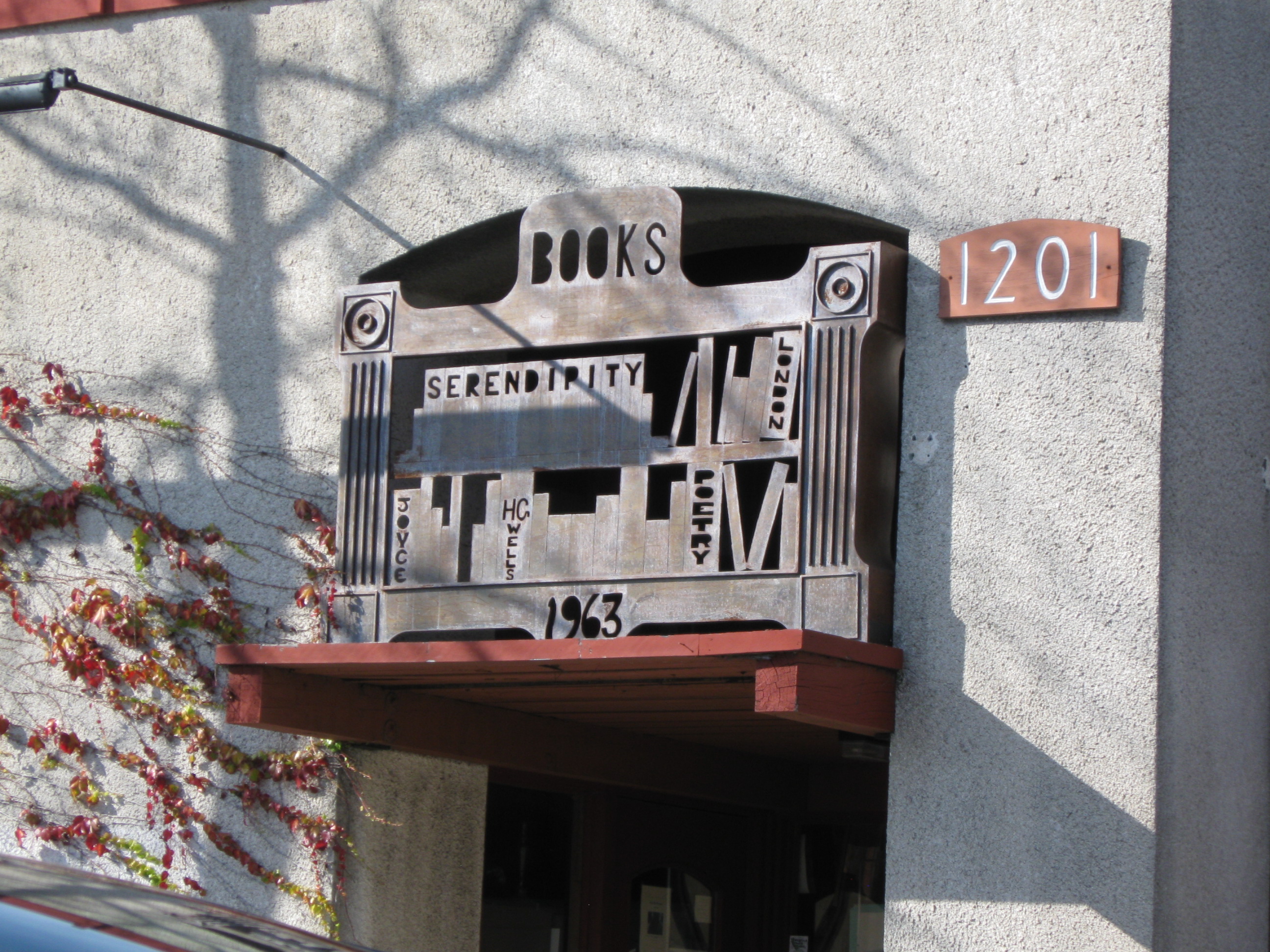
By opening ourselves to a certain amount of spontaneity in the day, we have the possibility of becoming more creative, experiencing life more fully, and even choosing to take new directions. We allow ourselves to enjoy the journey more, while not losing sight of the destination.

Yesterday, I spent a few lovely hours with my friend, walking and talking. We learned more about each other, enjoyed the fresh air and exercise, and came home hungry and tired. Even with my sore feet (lesson learned: don’t walk 4 miles in flip-flops), I still felt invigorated when I got home. I was able to get some of my work done, I enjoyed the process of preparing dinner more than usual, and I slept well. It felt like a day well-lived.

Look to this day!

For it is life, the very life of life.

In its brief course

Lie all the verities and realities of your existence:

The bliss of growth;

The glory of action;

The splendor of achievement;

For yesterday is but a dream,

And tomorrow is only a vision;

But today, well lived, makes every yesterday a dream of happiness,

And every tomorrow a vision of hope.

Look well, therefore, to this day!

“Kalidasa,” ancient Sanskrit poem

Cicada vs chain saw

Sounds I hear while meditating:

Cicadas

The hum of something – traffic? A lawnmower?

Yipping of a small dog

A hammer

A chain saw

My breath

There’s something incredibly comforting about the sounds I hear on an average day in my neighborhood: the insects, the birds, construction on a neighbor’s house, the sound of children playing. Like a baby who becomes accustomed to its mother’s voice while in her womb, these are the sounds that tell me everything is “normal”, life goes on.

But when I sit down to meditate, these sounds can also serve as a focal point. Following the breath in mindfulness meditation is very popular, but sometimes I find it difficult to stay focused on the breath. So what I like to do is to just sit and experience the sounds in my environment, especially in the spring and summer. If the windows are open, I can hear a lot of sounds from outdoors, both natural and manmade. Today, with the windows closed and the air conditioning on, most of the sounds were distant and muffled. My house was silent; I couldn’t hear appliances, air conditioning or computers from where I was sitting. So I became very aware of what was happening outside.

Most of the time, we don’t focus on the sounds around us, unless they are exceptionally pleasant or irritating. Sound just becomes a background for whatever we are thinking or doing at the moment. But when I stop and listen to each sound separately, it’s easier to find the quiet spaces between them. Deepak Chopra has said that, “Meditation is not a way of making your mind quiet. It’s a way of entering into the quiet that’s already there.” Although it seems counterintuitive, paying attention to sound helps me find silence.

While there aren’t many rules for meditating, having a passive attitude (nonjudging) is recommended. One way to achieve this is by becoming the observer rather than the thinker: I am not my thoughts, so I can note them and watch them pass with a sense of detachment. Observing the sounds around me helps with this, because they seem so remote and apart from me. The sound of the chain saw is no worse or better than the sound of the cicada; they both merely exist.

Heightening my awareness of sound, and observing it passively, can lead, I hope, to becoming a less judgmental observer of myself and others. Can I apply that kind of awareness to my own emotions and attitudes, learning to see and identify them before I act on them? The Dalai Lama says that “It is really a matter of habit…the more habituated you are to this awareness of the rising of emotion, the awareness in itself creates a separation between you and the emotion…”

So I listen to the sounds of my neighborhood, and hope to create a habit.

Aftermath

One of my favorite sayings is, “When you change the way you look at things, the way things look changes.” But is the opposite true as well? When the way things look changes, do we look at things differently?

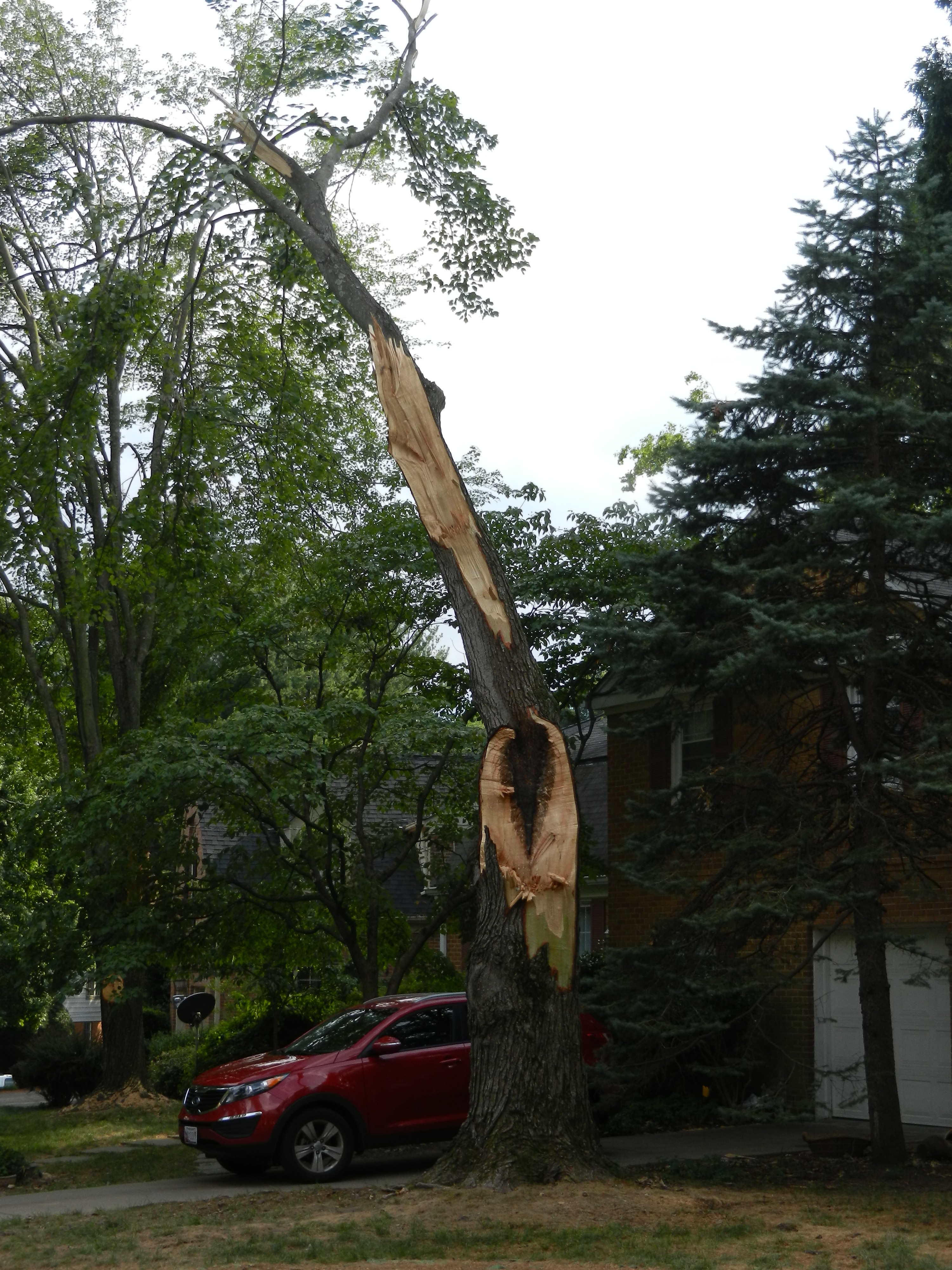
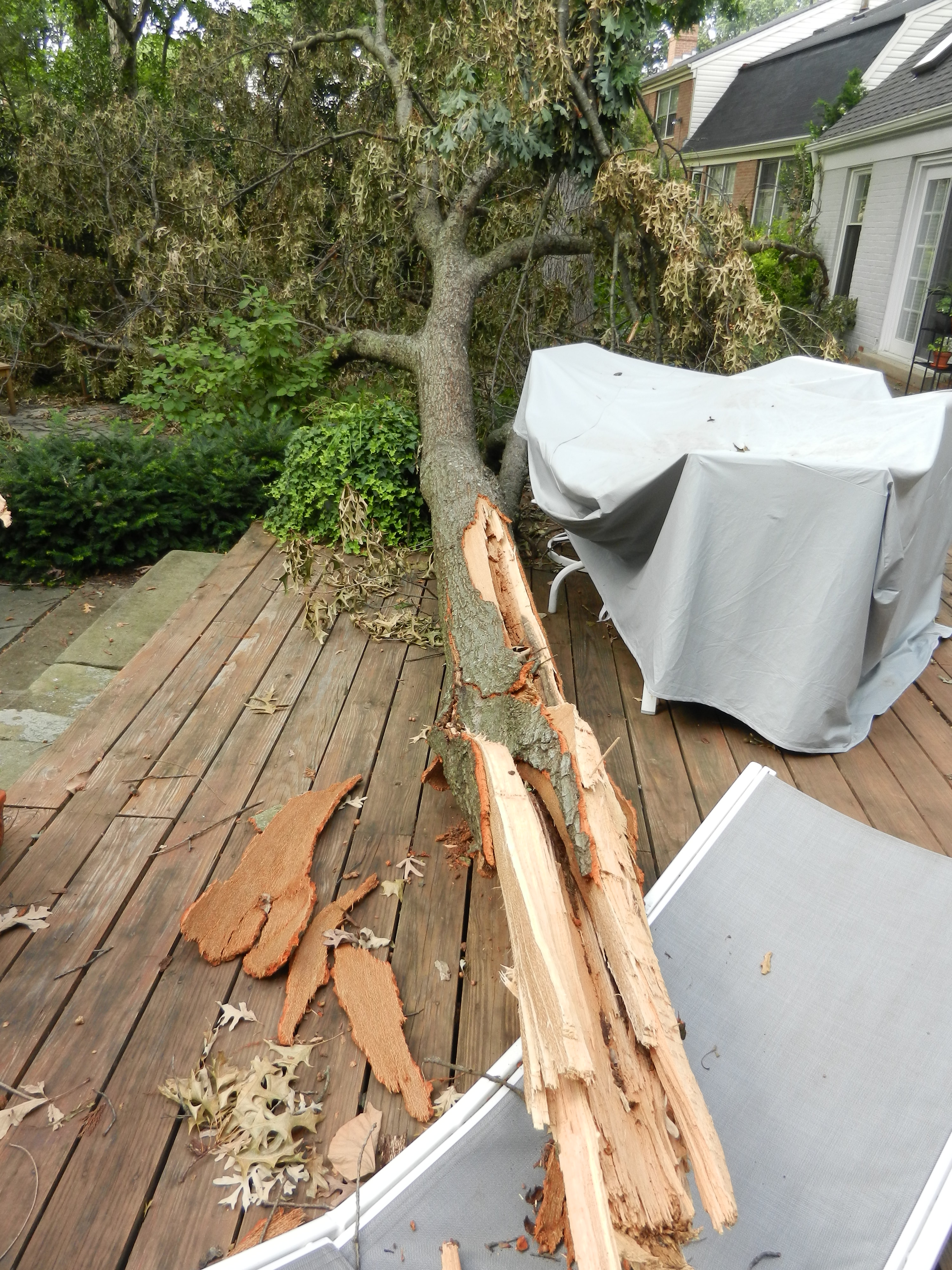
Ten days ago, a powerful storm brought down thousands of trees and caused widespread, prolonged power outages in the area where I live. Initially, everyone’s concerns related to the lack of power – the unremitting 100 degree heat, the spoiled food, the reduced communication ability, and the traffic delays. But now that the power is back on, this week we are dealing with the damage. So many trees snapped in half in my neighborhood that our vistas will permanently change.

The leaves on the fallen limbs have quickly turned from green to brown. The birds are finding strange new places to alight, close to the ground. Every morning we wake to the sound of chain saws and mulching machines. Some tree trunks are still standing, but they will have to be removed later because the trees aren’t salvageable. Now we have sun where there used to be shade, open views where there used to be tree canopy, and exposure where there used to be protection.

It’s hard to know how to feel about this change in perspective. There’s a certain sense of disorientation from the light and the openness. I’m reminded of the David Byrne song, “Once in a Lifetime”, where he says, “You may tell yourself, ‘This is not my beautiful house’”. There’s an unreal quality to the new view.

It’s hard to see benefits and opportunities while we’re spending hundreds of dollars to clean up broken trees. But if I try to change the way I look at it, I can welcome the light. I can look forward to growing sun-loving flowers instead of shade plants. I can expect fewer leaves to clean up this fall. I can picture myself sitting under the festive outdoor umbrella that I’ve never needed before.

Everything changes, and we don’t always get to choose how or when. Marcus Aurelius wrote, “Frightened of change? But what can exist without it? What’s closer to nature’s heart?…Can any vital process take place without something being changed?”

Everything changes. When I accept that, I can begin to see the beauty in my new view.

My week with sea turtles

For most of the year, I don’t willingly get up before sunrise. But for one week every summer, I gladly rise before dawn and leave the house while everyone else is still sleeping. I do it for the sake of sea turtles, serving on the volunteer turtle patrol at a South Carolina beach.

For me, being on turtle patrol means that I get up when it’s still dark, walk two miles along the beach, meet interesting people who also care about wildlife, watch the sun come up, and just maybe, give a few turtles a head start in life. That’s worth getting up early for.

Sea turtles are endangered, due to loss of habitat, fishing activity, predation and being hit by boats. In response, natural resource agencies and beachfront communities around the world have developed programs to give baby sea turtles a helping hand. Think of it as leveling the playing field to make up for the human role in their endangerment.

In my community, volunteers go out each morning during nesting season to look for mother turtles’ tracks and mark where their nests are laid. Then the hatching patrol takes over, checking the nests each morning to make sure they are undisturbed, and looking for signs of hatching when the time draws near.

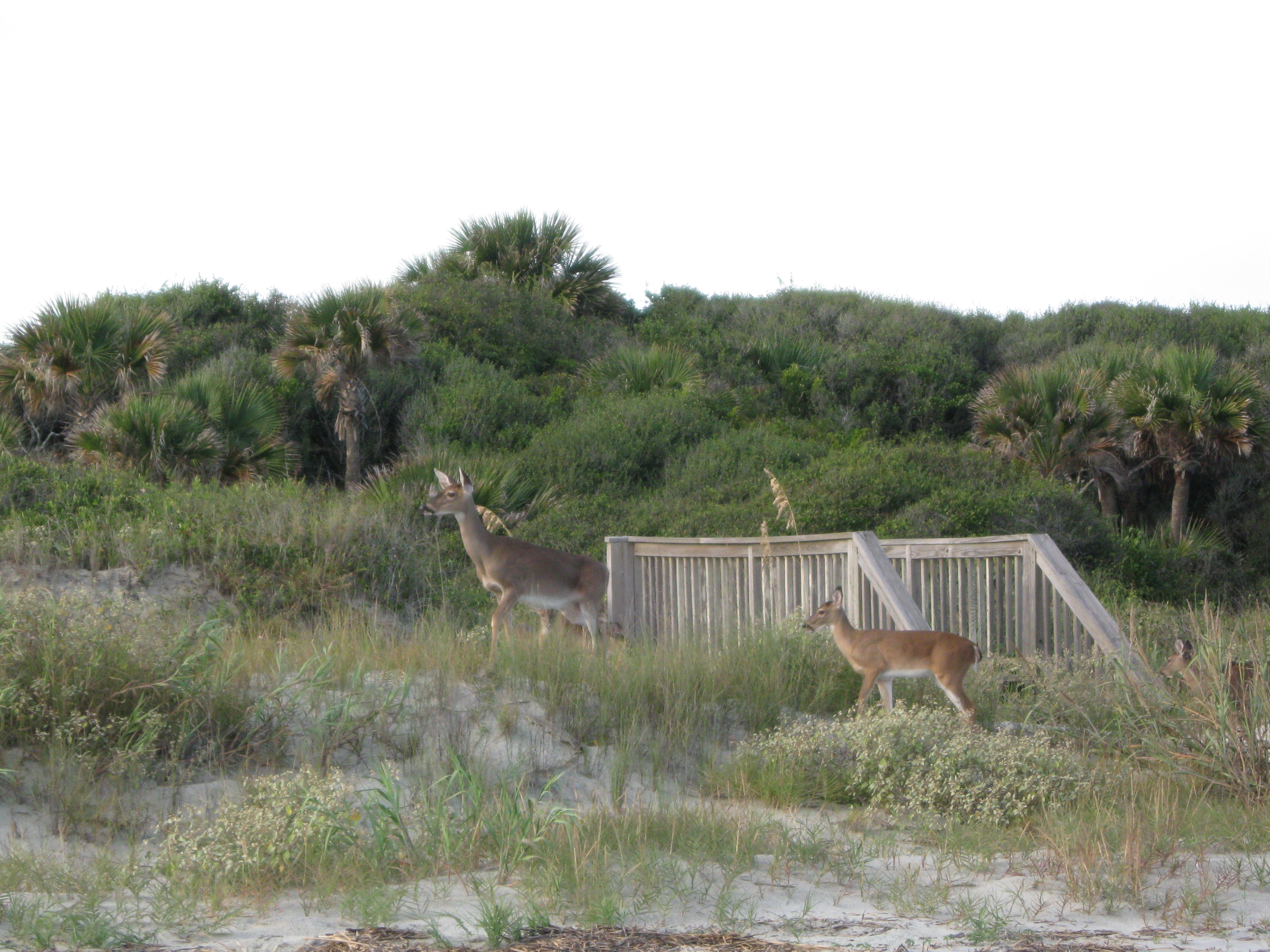
This morning I was practically alone on the beach when I went out. It had been raining all night, but it stopped just as I got to the beach. As I walked along, I saw deer bounding through the dunes and ghost crabs scurrying into their holes. There were no signs of predators near the nests, but crabs, raccoons and coyotes are all potential threats to the sea turtle eggs.

As the nests hatch, the baby turtles have more hazards to overcome on their way to the ocean – they can be eaten by birds, fall into holes people leave in the sand, and go in the wrong direction toward  lights from houses.  Many don’t survive the trip across the beach to the sea.

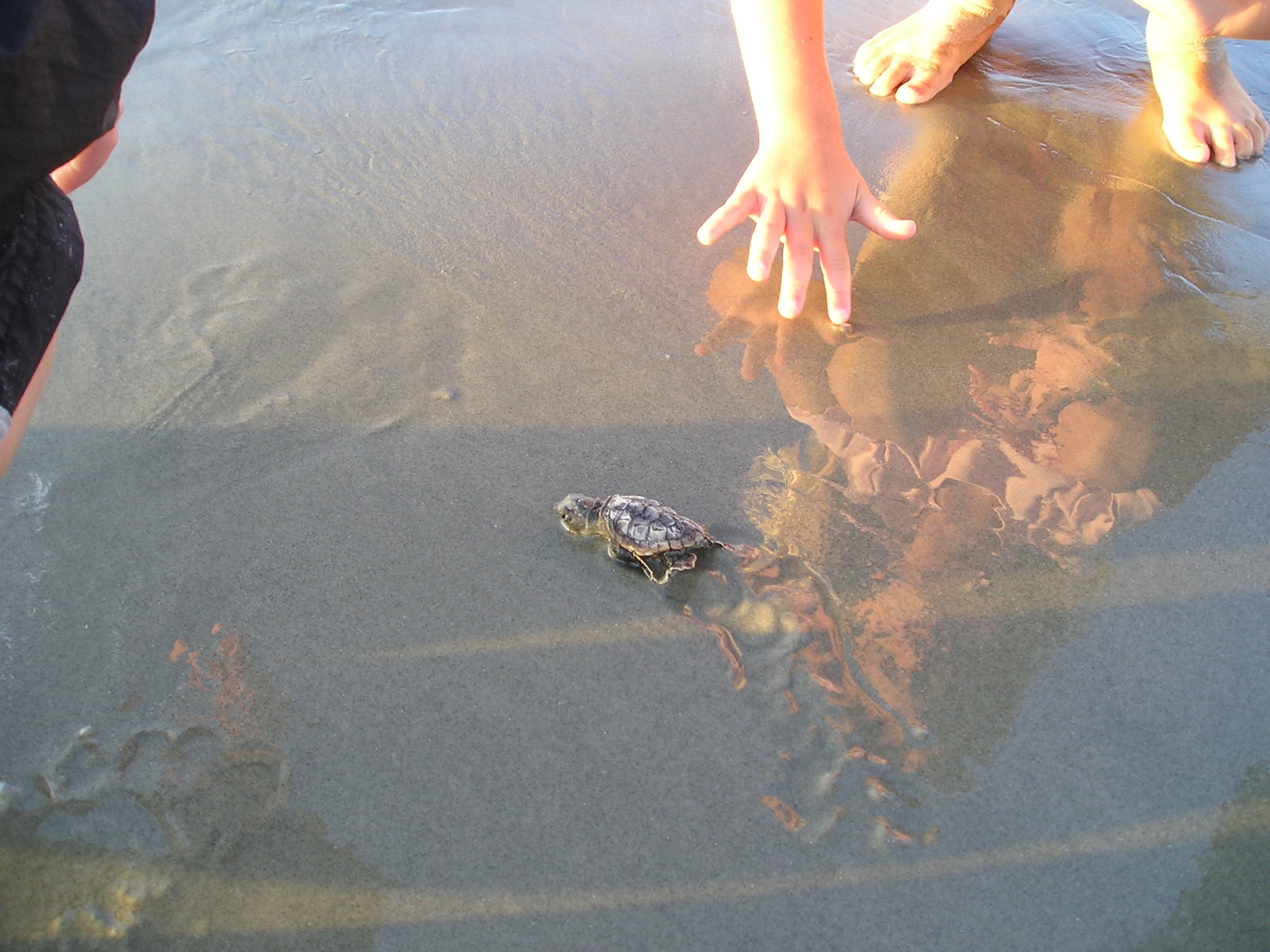
After we see that a nest has hatched, we wait three days, and then dig down into the hole to see how many eggs hatched, and if any live turtles are still inside, perhaps too weak to dig their way out. Volunteers take these turtles down closer to the water, and let them crawl out until a wave catches them and they start swimming. Usually a crowd of people gathers, and everyone clears a path for the turtles, shoos away the birds, and cheers when the turtles finally swim away with their little heads bobbing up for air.

It’s impossible to start the day with anything but a smile after witnessing something like that. I head back to the house where others are just beginning to stir, ready for coffee and breakfast, sandy, sweaty and hot, but knowing that I might have just spent the most valuable hour of my day.

Living with uncertainty

“Stress levels increased since 1983,” read the headline in USA Today last week. Not surprised? What’s interesting is why stress is higher for some people than others.

Sheldon Cohen and Denise Janicki-Deverts analyzed three national surveys (1983, 2006 and 2009) that used the same measure of stress. In all three, women’s stress was consistently higher than men’s, younger people had more stress than older people, people with less education reported higher stress than those with more, and people with lower incomes showed more stress than people with higher incomes.

What was different between 2006 and 2009 was that the increase in stress after the economic downturn was almost totally driven by middle-aged, college-educated, white men who were employed full-time. Cohen and Janicki-Deverts theorize that this finding could be related to the “threat of job loss, actual job loss, or loss of retirement funds.”

But what I see is that this could also be about loss of power and control. It’s not news that people who are lower in a hierarchy have more stress than those on top. And since it’s also still true that most of the power in our society is held by white middle-aged men with college degrees and full-time jobs, in some senses those people had the most to lose when the economy turned sour.

The stress levels of women, the young and the poor didn’t increase significantly because their position in the hierarchy didn’t change much. But for white, middle-aged men, the downturn may have been the first time they felt themselves to be on shaky ground. All of a sudden, there were no guarantees.

The Company Men”, a film about the economic downturn, portrays this theme convincingly. The main characters, who thought they had it made, suddenly were experiencing the uncertainty that other groups have traditionally lived with. Depending on their access to coping strategies, they either weathered the storm or were destroyed by it.

Our new reality is that many of us will be living with uncertainty for a long time. So how do we inhabit that reality in a way that doesn’t wear us down and make us sick?

  • Recognize what you can control and what you cannot. The stock market is out of our control. So are the actions of other people. But we can control how we react to events. Focus on what’s present right now instead of worrying about what can’t be predicted or controlled.
  • Be careful of how you talk to yourself. Too often, we limit ourselves by having a negative narrative going on in our minds (I’m not good enough, I’m too old, I’ll be next to lose my job). Practice replacing those negative thoughts with positive statements.
  • Believe in yourself. Easier said than done, right? It takes practice to change how you think of yourself. But if you remind yourself of the way you’ve handled situations in the past, and all the things that you are capable of, your ability to believe and trust in yourself will increase.
  • Write about it. James Pennebaker and others have shown that people who write about their feelings every day for several days can improve their moods and feel better emotionally.
  • Have a sense of humor. It helps us change our perspective on life events and sometimes even turns a potential stressor into something less threatening. Know what kinds of jokes, movies or comics are sure to make you laugh, so that you can turn to them when necessary.
  • Consider the idea of change as opportunity. As Claude Bernard once said, “Man can learn nothing unless he proceeds from the known to the unknown.”