
First day of vacation: The monkey mind is still alive and well, jumping from thought to thought. I wake with an undercurrent of dis-ease. What am I “supposed” to be doing today? My mind isn’t yet allowing me to surrender to the idea of slowing down and doing nothing.
So I get up and make a list of things to do. I write some emails. I find something to clean. I sit in the sun and try to read. I start to doze off, the first moment of the day that feels lazy and luxurious. But soon I’m up again, going off to exercise. I believe in working out on vacation, but today it feels like part of my “organized” life, something I’ve scheduled, not something that says “vacation”.
Did you know that the majority of Americans don’t use all of their vacation days in the year, leaving billions of dollars of benefits on the table? Many don’t take vacation because they can’t afford a trip, but others are afraid for their job security if they ask for time off.
While most employers recognize the value when employees come back rested, refreshed, and more productive, many also expect their employees to answer emails while on vacation. In fact, more than half of the people in one survey said that they are expected to have email access on vacation. So while vacations usually enhance family relationships, work interruptions can actually impede that benefit.
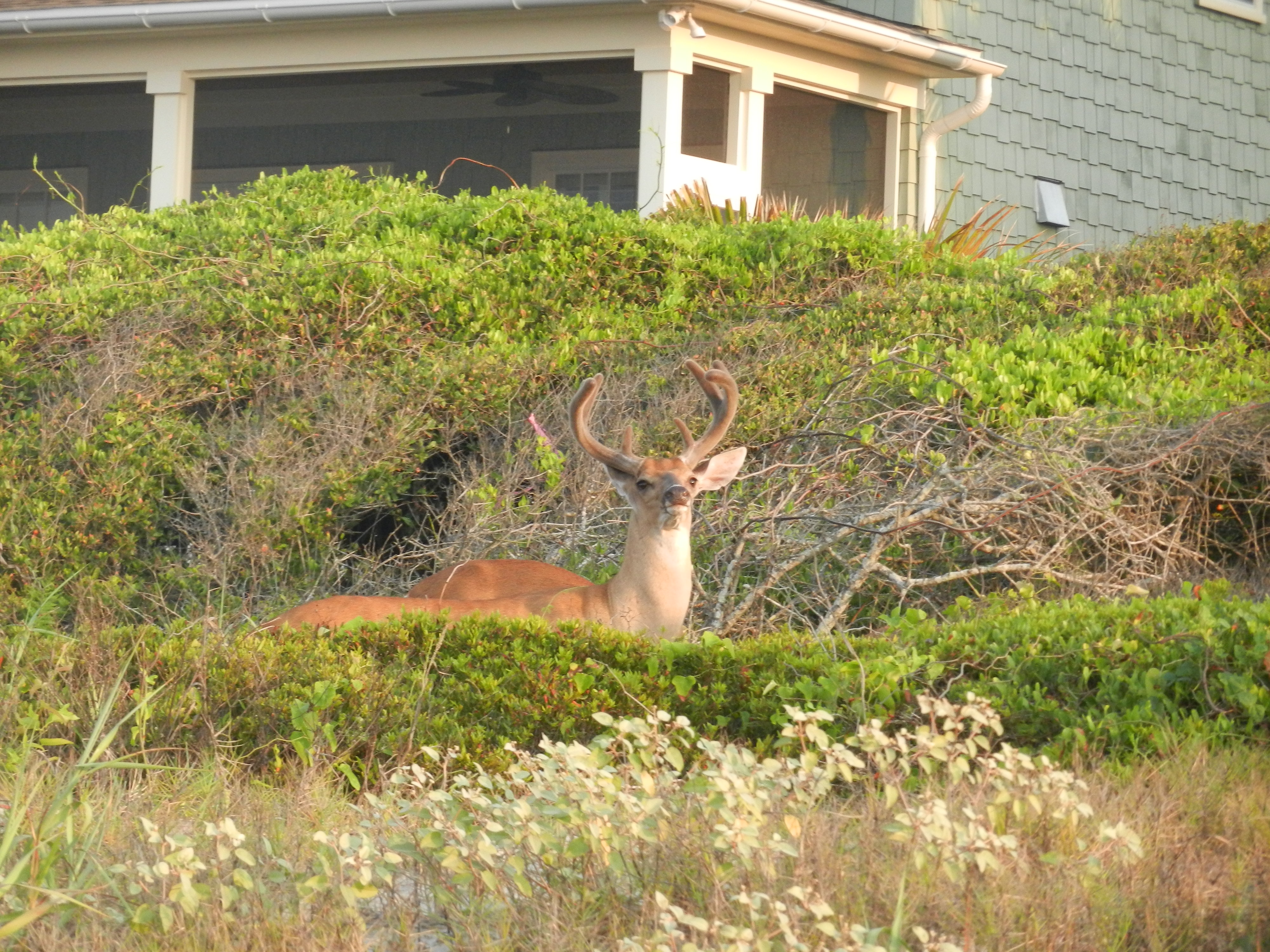
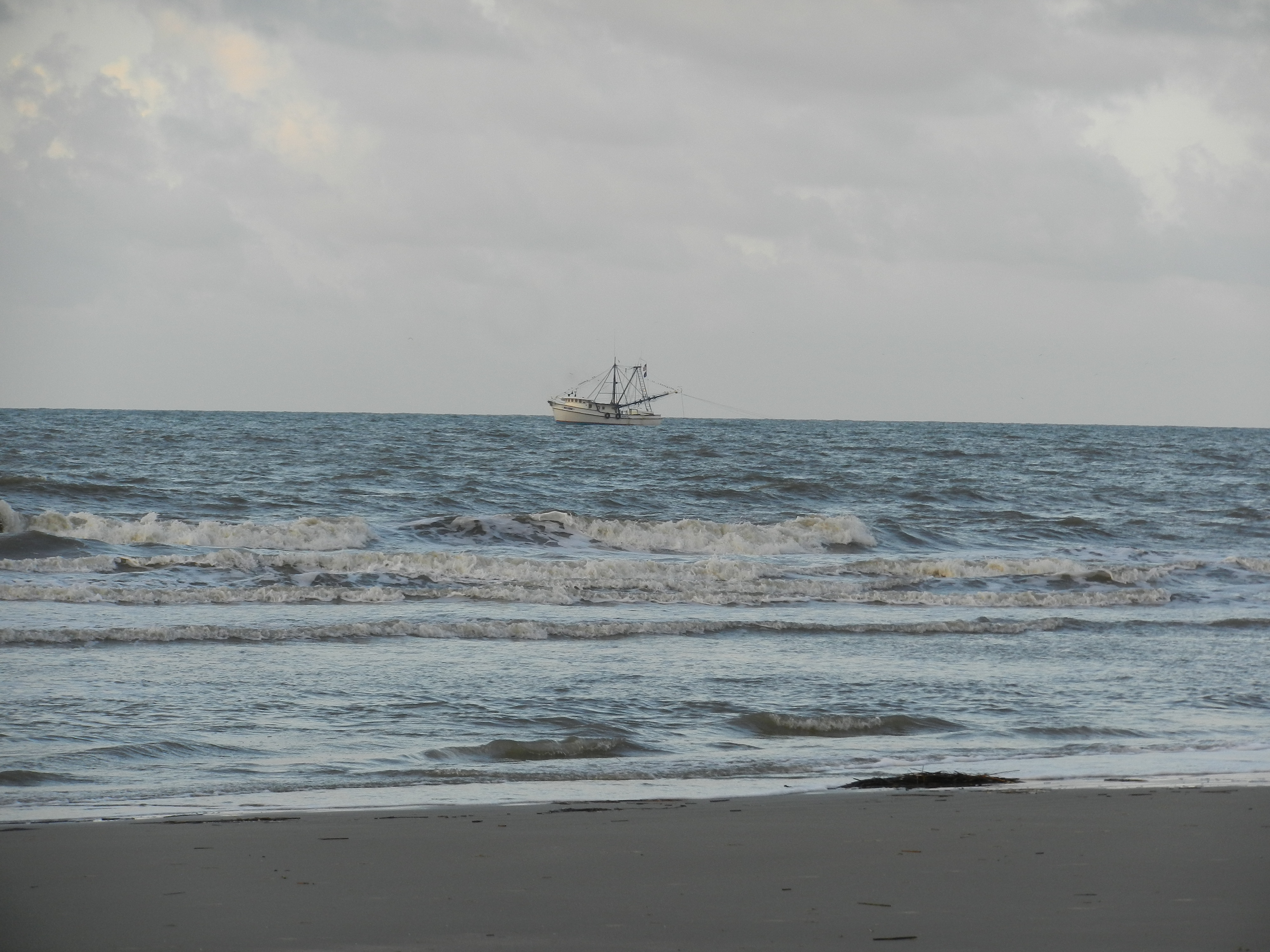
Second day of vacation: I’m up early to walk the beach checking sea turtle nests. It’s light, but the sun isn’t up over the horizon yet, and the moon is still visible high in the sky. The shrimp boats are out on the water, and a group of deer graze on the dunes. They let me get amazingly close to them. I’m reminded that the only important things to do today are eating and spending time in nature.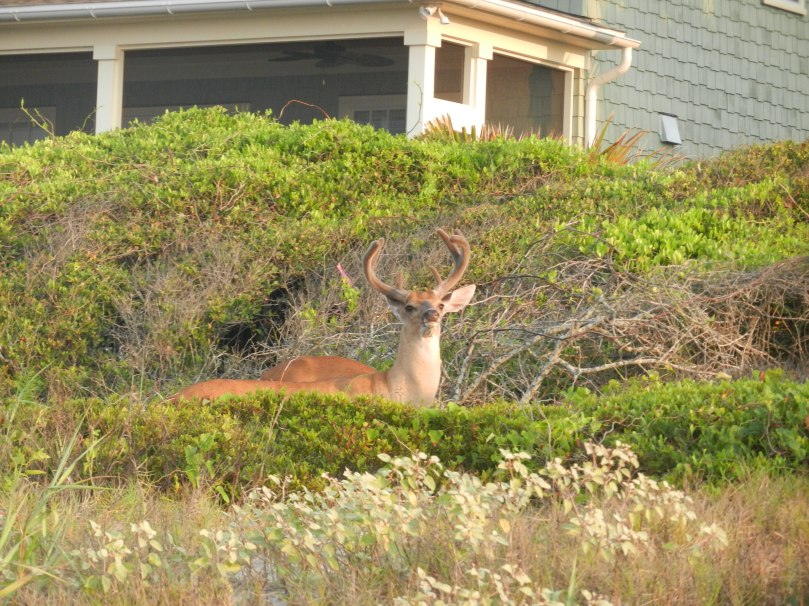
Psychology Today says that “Vacations have the potential to break into the stress cycle,” getting us off the merry-go-round of chronic stress, sleep deprivation and unquiet minds. Vacations are also good times to establish new health habits, especially around exercise.
Third day of vacation: I wake in the pre-dawn to the sound of rain beating on the roof. I drift back to sleep thinking about a day spent reading and watching movies indoors. But by 7:00 the storm clouds have moved out to sea and people start to wander onto the beach for morning runs and walks. What will the day ahead hold for me? Beach? Yoga? Biking? All three? 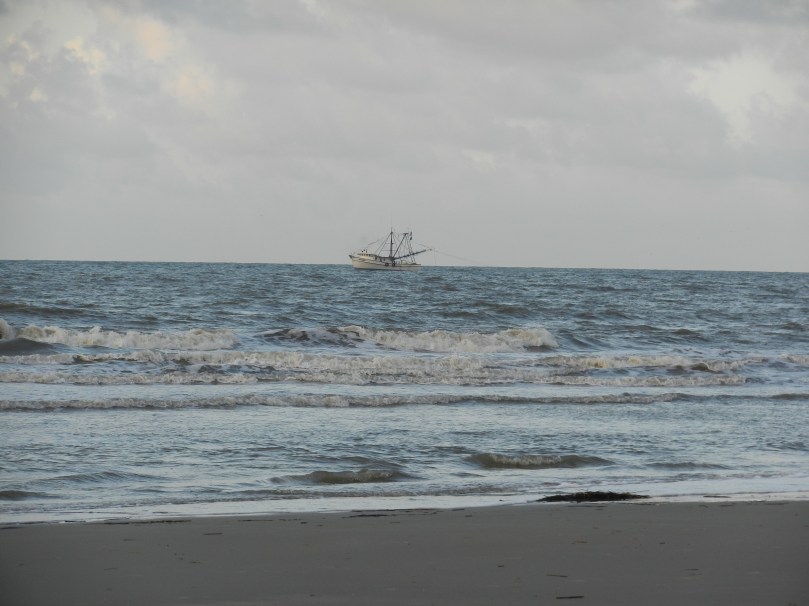
While the joy of vacation wears off quickly when we return to work, people still say they are happiest having spent money on an experience rather than a material possession. Most of that positive feeling comes from being able to share the experience with friends or family. The vacation becomes part of the story of the social network.
Fourth day of vacation: Here’s the beauty of it — I don’t need to know what tomorrow will bring. Yes, there are are many more things to do, but there are also all the remaining vacation days on which to do them. It’s time to disconnect……

 discover santosha