Seeking a muse

Where does inspiration come from? A stray word overheard on the street, a beautiful view, an ironic piece of art, serendipity? Should we seek inspiration or let it come to us?Lake Como_373

All week, I’ve been suffering from a bad case of writer’s block. I don’t know if it is a result of boredom, going on vacation for a week,  or waiting for a spring that never seems to arrive. Sometimes I think it has something to do with the loss of my yoga teacher (no, he didn’t die, just stopped teaching for a while). He would often say something simple in class that would set me off on some whimsical train of thought. Whatever the cause of the barrier, I find that desire for relief makes it hard not to work at finding an idea; hard to relax and trust that something will come.

Thomas Edison famously said that “genius is one percent inspiration and ninety-nine percent perspiration,” but he didn’t actually say where he got that inspiration. There seem to be two schools of thought on this – the first is what I call the “Just do it” school, and the second is the “Wait for it” school. Jack London was in the first category, saying that “You can’t wait for inspiration. You have to go after it with a club.” Pablo Picasso too, thought that “Inspiration exists, but it has to find us working.”

Waiting for inspiration is a little like calling on the muses from Greek mythology. The ancient Greeks believed that poets, artists, musicians and even scientists got their inspiration from one of the nine muses, goddesses that were the source of knowledge. Amy Tan has said, “Who knows where inspiration comes from. Perhaps it arises from desperation. Perhaps it comes from the flukes of the universe, the kindness of the muses.”

Consider another definition of inspiration – “the act or process of inhaling” – and compare creative inspiration to the act of breathing. We know that the breath doesn’t have to be forced. It will happen without us doing a thing. We are born without the need to control the breath, yet it’s incredibly difficult to give up control of other things we want. We don’t have the patience to just let them come.

If we have both open airways and clean air, we trust in our continued ability to breathe. If I keep my mind open and let the breezes of experience flow through, can I learn to trust that ideas will come? I am reminded of two of the qualities of mindfulness: non-striving, which is about being, rather doing; and non-attachment, which means letting go of the idea that things have to turn out a certain way.

Maybe I am my own muse. By being and trusting who I am, letting go of fixed ideas, and not being afraid to wait, inspiration will come – just like my next breath.

Discovering what’s here

“È tutto qua” says the little note taped to my computer monitor. It is an Italian phrase meaning “it’s all here”. I first saw it in San Francisco, where it’s the name of an Italian restaurant. I looked up the meaning and was so taken with it that I have kept it in front of me ever since.

Besides my love for all things Italian, the note reminds me to keep life simple. Don’t confuse wants with needs, don’t overcomplicate things. It’s all here already.

Whenever I start thinking that someone else has a nicer house, or a better car, or more success, I remind myself that it’s all here.

Whenever I start fretting about how I look, or stressing over little things that go wrong, I try to remember: it’s all here.

The idea of è tutto qua for me is partially about gratitude, but it’s also about knowing how little we really need to make us happy. The Gallup polling organization surveyed over 130,000 people in 130 countries not long ago, and identified two things that are the biggest predictors of whether people enjoyed their day. The two things were “being able to count on someone for help” and “learned something yesterday”. That’s it.

Once our basic needs (food, shelter, safety) are met, it’s not the extra gadgets and extravagant trips that increase our happiness. It’s as simple as knowing that someone has your back, and that you’re continuing to grow. It’s all here.

The sister I can call for emotional support or advice; the neighbor I can ask to borrow an egg; the friend I can rely on in an emergency: it’s all here.

The ability to read, to listen, to see; to take up skiing when you’re over 40; or to learn (as I did yesterday) that the resveratrol in red wine can protect against hearing loss: it’s all here. OLYMPUS DIGITAL CAMERA

The question is, on how many days can you say, “It’s all here”?  The Gallup people also have something called the Well-Being Index, where they measure the mood of a sample of people every single day. It shows the percentage that had “a lot of happiness/enjoyment without a lot of stress/worry” and the percentage that had “a lot of stress/worry without a lot of enjoyment”. So, for instance, on February 19, 43% said they had a lot of enjoyment without stress, and 14% said they had a lot of stress without enjoyment.

Leo Rosten said, “Happiness comes only when we push our brains and hearts to the farthest reaches of which we are capable.” Maybe the two determinants of enjoyment are dependent on each other. Can we actually be free to learn and grow to our full potential if we don’t have the support of others? And can we have healthy, mutually beneficial relationships if we don’t continue to grow and change?

Are you going to enjoy today? What will you learn? Who will you support, and who supports you?

Change: always hard, never too late, start now

The good news this week came from a study showing that if you stop smoking by age 40, you get back all the years of life that you had lost by smoking. Even if you stop smoking after 40, some of your longevity deficit is made up.

The bad news is that it is still just as hard as ever to quit smoking.

We can hear and believe all of the benefits of eating healthy, exercising, getting a new job or ending a relationship, and still find ourselves unable to make the changes we need. Sometimes change is too frightening, and sometimes it’s just overwhelming; either way, we stay stuck where we are. Changes on the outside come more easily – we might change the color of our hair, the way we dress, or the car we drive on a whim. But making changes to our habits of mind, belief and behavior is so much harder.

So we swat away the thoughts about changing, as if they were gnats buzzing around our heads. “It’s too late for me”, “I’m too busy right now”, “Maybe I’ll think about it tomorrow, or next week, or next month.”

You know what? The time to change is now, and it always has been.  The promise of a longer, healthier, happier life might seem like a distant dream, but what about the certainty that the action you take today is your first, necessary step? You cannot be different in the future if you never start. Henry David Thoreau wrote, “You must live in the present, launch yourself on every wave, find your eternity in each moment.” Close your eyes, visualize launching yourself on that wave, and start believing that you can change.IMG_0851

I attended an amazing concert a few nights ago, called “Sing the Truth,” featuring singers Dianne Reeves, Angelique Kidjo and Lizz Wright. They sang songs of empowerment, freedom, truth and love, by great female artists. Their rendition of “Both Sides Now” brought me to tears. At one point, Kidjo spoke to the audience about peace and freedom in the world, reminding us that it is up to each of us to do one small thing every day to make the world a better place for each other. In that moment, I know that everyone believed that possible.sing the truth

That’s how change will come – little by little, with one small choice each day. That’s how change happens for us as individuals, and for the world we live in. So whether it’s the choice to skip one cigarette today, or the choice to be kind today to someone you dislike, or the choice to speak out today about injustice you’ve ignored, look to today. Today is when we change.

Being grateful for January

By the time I was 18, I really hated winter. I spent my last cold season in my home state of Michigan just grumbling about how much I didn’t want to be there. Then I left for good.

Even now that I live in the Mid-Atlantic region, winter is my least-favorite season. By the time January arrives, I know it’s going to be cold for three more months, I’m already sick of my winter clothes, and don’t even get me started about all the kale I see on restaurant menus! (I’m sorry, I just don’t like it.)

But this year, I’m resolved not to be the winter grinch, so I searched for the silver lining and came up with ten things to like about January:

  1. The world didn’t end on 12/21/12. The misinterpretation of the Mayan prediction was not true, and I am grateful to be alive in January 2013. (That “2012” movie was pretty fun, though.)
  2. Inaugurations. Every four years, we have a reason to continue celebrating in January. In Washington, where I live, a party spirit pervades the air this week.IMG_0740
  3. The start of the new semester in my teaching job. I look forward to meeting my new group of students and feeling like I have a clean slate with them.
  4. Eating comfort food is okay. Even the healthy eating columns are full of recipes for stews, soups and pasta. We can enjoy the warmth and savoriness of heavier food and find it richly satisfying.Comfort food_109
  5. Catching up on books and movies. With outdoor activities curtailed, and holiday craziness winding down, it’s a good time to curl up with a novel, or have a marathon viewing of Pride & Prejudice.
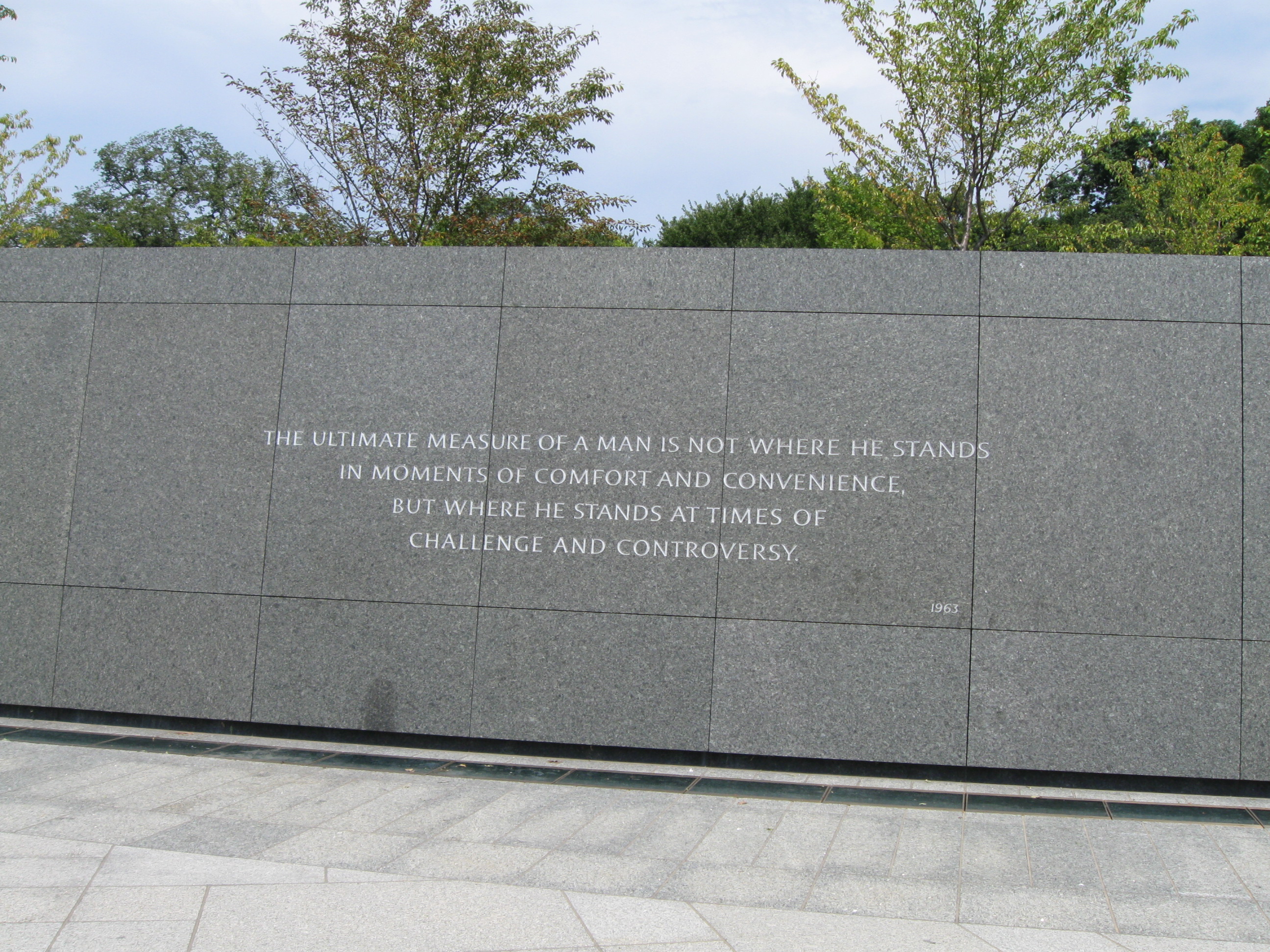
  6. Martin Luther King, Jr. Day. More than just another day off, this is a day to try to give back and be of service to the community.IMG_2315
  7. Starting my new calendar. I still like to keep a paper engagement calendar where I write with ink or pencil. I love the feel of cracking open the new book each year and starting to enter birthdays and appointments.
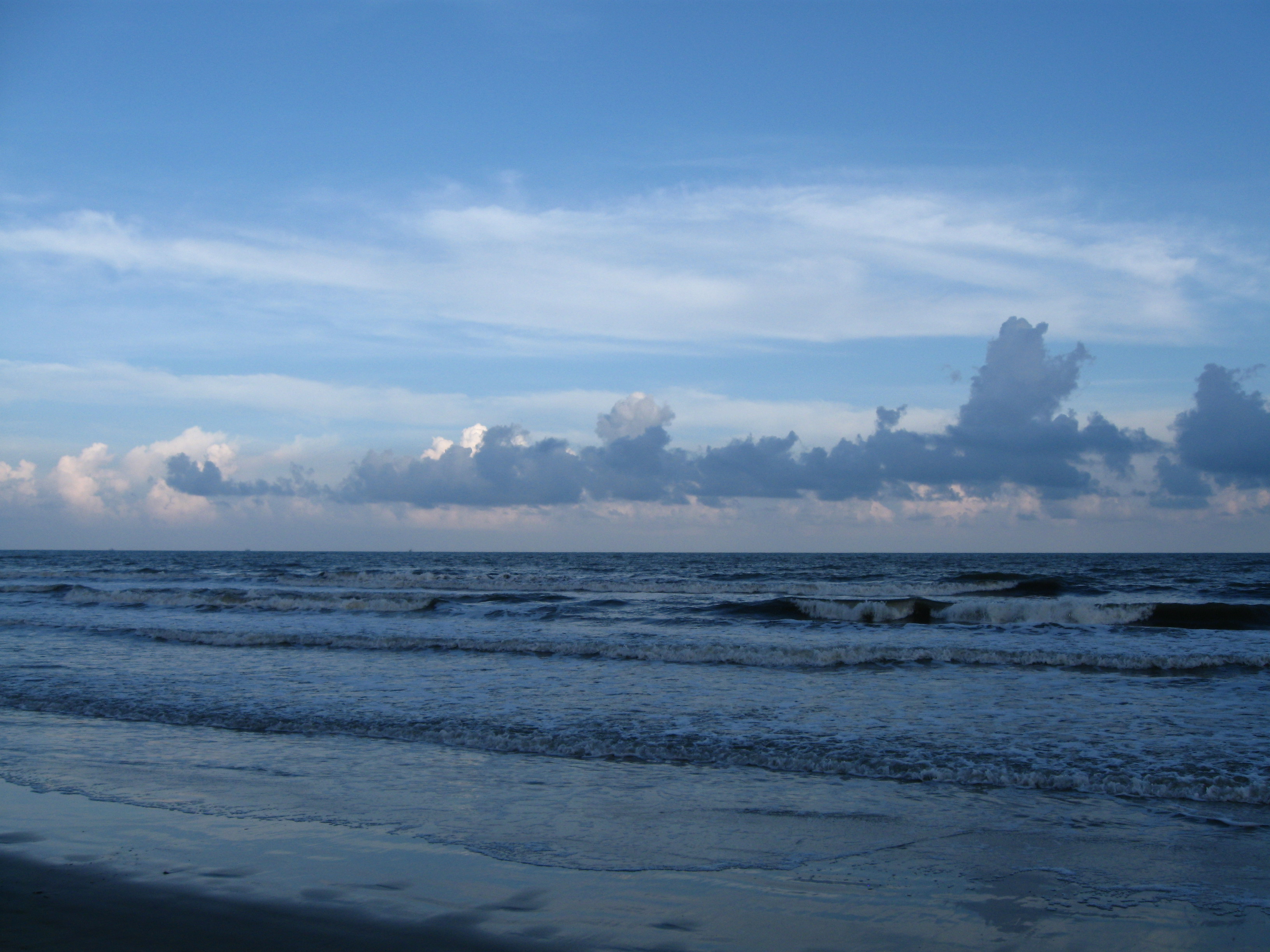
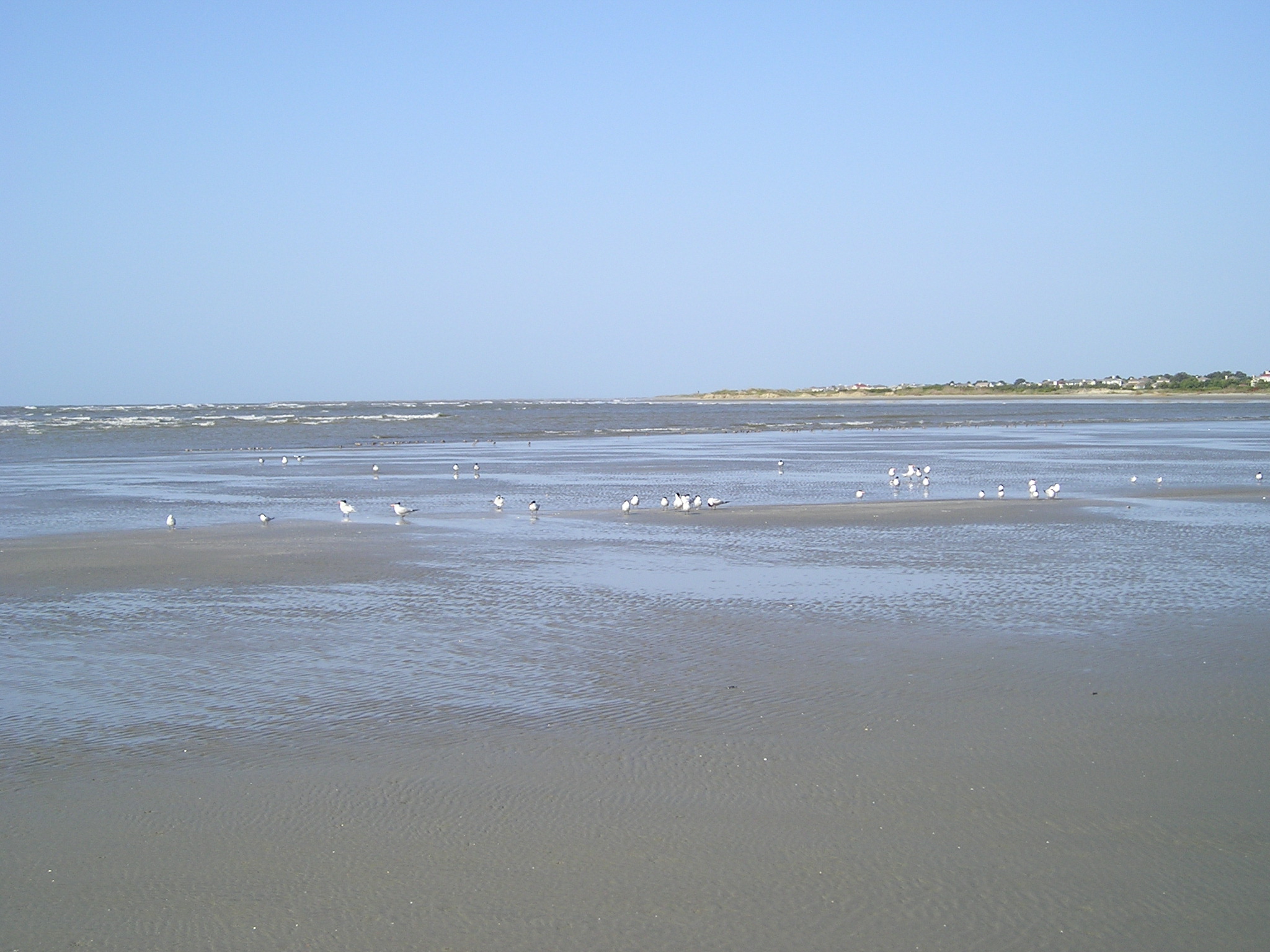
  8. There’s no one at the beach. January is great time to walk along the shore and have the entire beach all to yourself. Just bundle up!OLYMPUS DIGITAL CAMERA
  9. The days are getting longer. Yes, the mornings are still pretty dark, but we’ve crossed over the hump of the shortest day and the light will increase bit by bit from now until June.
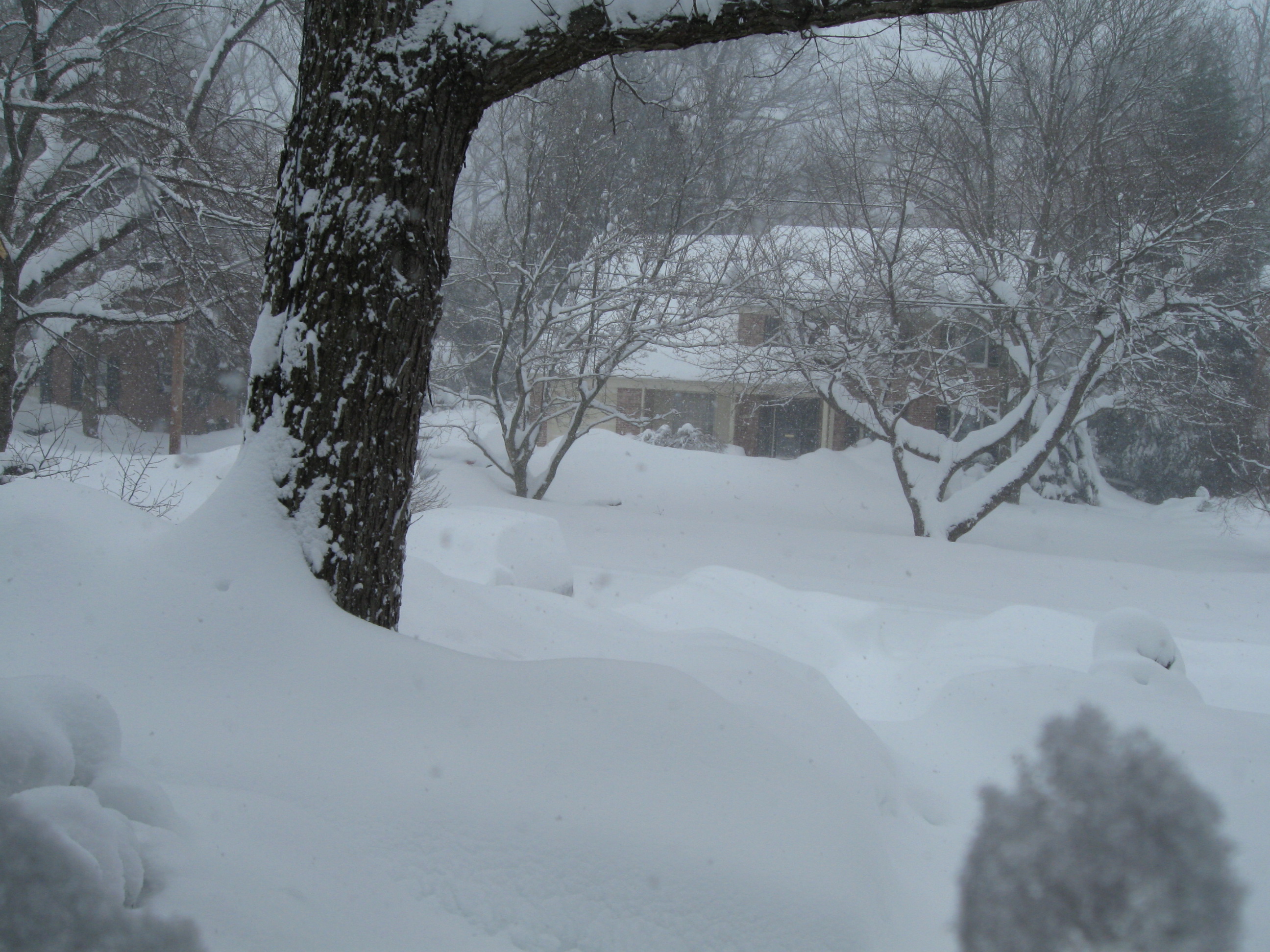
  10. Snow days. There’s no guarantee of snow days where I live. Sometimes two years can go by without one, but that makes it all the more special to wake up to that awesome quiet that comes with a huge snowstorm. I may not like winter, but I enjoy the way all my neighbors talk and laugh while shoveling snow together. There’s a great feeling of camraderie and community at those times.IMG_1052

The month of January is named for the Roman god, Janus, who had two faces. That way, he could look back to the year just finished, and forward to the year just beginning. “Janus” is actually the Latin word for arch, which makes the month of January a kind of doorway for us. Knowing that, I can begin to appreciate how we need to pass through January if we are going to reach the balmier days of spring.

Shouldn’t “holiday stress” be an oxymoron?

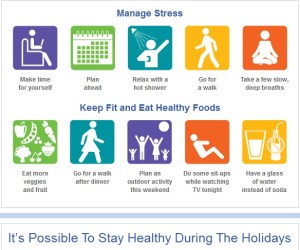
The emails are starting to arrive. “Holidays Stressing You Out?” says one. “Staying Healthy During the Holidays“, with managing stress as the first topic, reads another. What’s wrong with this picture? The word holiday suggests festivity, recreation, and a vacation mentality. The word stress suggests discomfort, a lack of balance, perhaps even unhappiness. These two words do not belong together.shiny tree

Someone once suggested to me that managing stress is all about managing expectations. While I don’t agree with that 100%, I do think it applies to holiday stress. Much of the stress around holidays comes from what might be considered unreasonable or unnecessary expectations:

  • The expectations we have about  spending time with family and friends.
  • The expectation that we have to give gifts to a specified list of people, and/or the expectation that  we have to spend a certain amount of money.
  • The expectation that we will eat and drink too much.
  • The expectation that we will hold on to traditions, even ones that aren’t serving us anymore.

Another way of putting this?  Too many shoulds, musts, oughts, have tos.

Tips for managing holiday stress are useful, but only as a second step. Like any kind of stress, managing stress around holidays has to start with values clarification, with doing some of the inner work.One of my yoga teachers has observed that for many of us, the default is to do as much as we possibly can, without asking ourselves if it is appropriate, or if we are suffering because of it.

What is values clarification? It could start with questions such as these:

  • What is most meaningful to me about this holiday?
  • What are the things or activities that bring me joy? Which cause me or others to suffer?
  • What do I need in order to be most fully present for the people I love?

When we do this kind of inquiry, we might be able to change our interaction with the holiday for the better. But like coping with any stress, that can’t happen unless we’re willing to make changes, and even rock the boat a little. Doing all the same things in the same old way won’t lead to any significant improvement.

Advice from healthfinder.gov

Once you’ve clarified what’s important to you, and what is going to bring the most happiness to you and those you love, that’s the time to turn to techniques like the planning calendar, keeping up your exercise, and drinking more water. If you start with those things, without stopping to examine your values, you’ll find yourself returning to the default — just using prioritizing and planning as a way to cram more into each day. Even if one of those things you eke out time for is “relaxing”, it might not be as beneficial as it could be if you knew you were living each day in alignment with what’s truly important to you.

Can you wake up each morning during the holiday season knowing that the day will bring you something good? I know of someone who takes a moment before getting out of bed each morning to remember something positive about the day before, and something joyful to look forward to in the day ahead. Stress hormones are typically at a cyclical peak when we first wake up in the morning — so you could do yourself a lot of good by starting each day with a smile instead of a feeling of dread. That’s easier if you’re clear on what you value.

Let’s make “holiday stress” a thing of the past.

Half full or half empty

Perspective. It’s what makes the difference between coping well with misfortune, or falling apart. It determines whether we’re happy with what we have, or always wanting something more. It can turn an event into a huge stressor or a minor bump in the road.

In the aftermath of Hurricane Sandy, perspective is everything.

The hurricane barely affected me – a cancelled flight and a messy yard. But the devastation and loss elsewhere is on a scale that is almost overwhelming. Yet, even some of the hardest hit people are able to put their situations in perspective, like the man I saw quoted in the newspaper who had no power and was waiting in a gas line, but was grateful that he didn’t lose anything more; or the people who lost their homes and all their possessions, but were happy they didn’t lose their lives or their families.

It’s the meaning we give to events that makes them more or less stressful to us. Our ability to reframe a situation, to view it more positively, is affected by our personality type, by overall wellness, and often, by something called “hardiness”.

The term hardiness, and the idea of a “hardy” personality, came out of research done back in the 1980s with the breakup of the Bell Telephone companies. Dr. Salvatore Maddi did a long-term study of telephone company employees to find out how they dealt with the stress of job loss or change. What he found was that hardiness was a determinant of how resilient people were in the face of stress, whether they were able not just to survive, but to thrive.

The people he designated as “hardy” had three important beliefs that helped them during adversity: an attitude of commitment that drove them to be involved in events rather than isolated; an attitude of control, which helped them work to influence the outcome of events, instead of passively accepting them; and an attitude of challenge which motivated them to look at the unexpected changes as an opportunity to learn.

So when we see neighbors helping each other after the storm, we are witnessing a form of commitment. When we see people taking out their own chain saws and cutting up downed trees, opening up fire hydrants for water, or walking miles to work, we see them taking control of the outcome. And when we see people hoisting water up to an 8th story window by ropes, cooking dinner on their outdoor grills, or huddling around a satellite TV truck to pick up a WiFi signal, we see that they are accepting the challenge of the situation and learning new ways to get the things they need.

We can’t forget, however, that some of the hardest-hit people did not come into this situation with a great deal of resilience or wellness. They were barely surviving as it was, because of economic uncertainty, poor health, or both. For them, and for people who suffered the most devastating losses, their emotional and physical reserves will be exhausted quickly. I’m gratified by how quickly power is being restored in some areas, but there are other places, and many people, who will need our help for a very long time.

The American Psychological Association has some guidelines on their web site for dealing with traumatic stress, such as after a disaster. Many of them come from the research on hardiness and resilience. The American Red Cross, in addition to providing for physical needs, also provides emotional assistance to people affected by the disaster. Please consider making a donation to them.

Well, we all need someone we can lean on, And if you want it, well, you can lean on me.”   (Keith Richards, Let It Bleed)

An antidote to TMI

Do you know anyone who wants a more complicated life? Probably not. In spite of all our time-saving gadgets, and the ease of getting information, most people I talk to crave more simplicity in their lives.

We have at least two major magazines, over a thousand books, and almost 60 million search-engine hits that promise to help us simplify. We have smart-phone apps that promise to make it easy to find your friends, share your photos, keep track of calories and exercise better. Our new cars make it easier and safer to back up, change lanes and keep track of service. So why do we still feel so overwhelmed?

Some people think it has to do with information overload, multi-tasking and a sense of false urgency created by 24/7 access to news, email and texts. A recent Northwestern University study, however, showed that people felt “empowered and enthusiastic” about having so many sources of information at their fingertips. So what gives?

Maybe there are times when we want and need a lot of information, and having it makes us feel better. But there are also occasions when we really don’t want to know every detail, and we just want an easy way to make a decision. Each person is different in the amount and complexity of information they want, and when they want it.

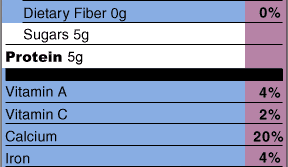
A good example is food nutrition labeling. For some it is incredibly empowering to know the number of calories, and the specific percentages of each nutrient, in an item of food. For many, though, nutrition labels are confusing and don’t help them make better choices. Research on some restaurant labeling laws, in places such as New York City, has shown that most people do not change their ordering behavior even when calories are posted.

A lot of talk in prevention circles has been around “making the healthy choice the easy choice”. Bon Appetit Management, a food service company serving many colleges, may have just come one step closer to that goal. It is piloting its own “well-being” score that aims to cut through all the confusion around food labeling, and just make it simpler to tell the difference between one option and another on a menu.  It’s a simple arrow, with more or less green, depending on how healthy the item is.

Maybe sometimes all we want is a simple thumbs up or thumbs down. We can only hold limited information in our working memories at any given time. After that, our ability to integrate ideas and to reason well declines. Trying to juggle too much at one time taxes our brains and makes performance suffer. Maybe for some college students, this new food score will be an opportunity to give their brains a rest, at least at mealtime.

There will always be many important occasions when we need to know everything, when we need to sift through reams of information before making a decision. Sometimes, though, we can choose to give up the micro-management of the choice, and rely on a trusted source or our own instincts. Knowing the difference might take trial and error, but at least we’ll be taking baby steps toward that simpler life.

Reading for a better life

Reading for pleasure has always held a central place in my life, but I’ve long realized that it’s not so for everyone. In spite of the evidence however, reading does seem to be alive and well, at least in wonky Washington D.C. People packed the various tents at the National Book Festival this weekend, listening to authors read from their works and checking out resources to encourage reading, especially for kids.

According to the National Education Association, children who read regularly at home are more successful in school. Parents who want to give their kids that head start were out in full force at the festival, taking advantage of booths sponsored by PBS, Scholastic and other purveyors of kid fare.

Scholastic’s slogan for its global literacy campaign is “Read Every Day, Lead a Better Life,” a simple but profoundly true statement. Their research shows that kids who grow up in homes where there are lots of books tend to stay in school longer than children who don’t have that advantage. Plus, the more you read, the better reader you become, which has important implications for us as a society.

Proliteracy.org cites statistics that 43% of the people with the lowest literacy live in poverty. Low literacy also leads to increased health care costs, including a 50% increase in risk for hospitalization. Low literacy reduces our national productivity, and leads to lower civic engagement. While adult literacy programs are very important and effective, getting young children hooked on reading is really the key to turning those statistics around.

Every state was represented at the festival, promoting humanities and literacy, touting notable books about their states, and celebrating famous authors who hail from their states. Programs like “One Maryland, One Book 2012”, a statewide community reading program, were also on display.

When I visited, Sandra Cisneros was reading from her book in the Literature tent, while Douglas Brinkley was discussing his new biography of Walter Conkrite in another. Meanwhile, people were waiting in line outside the huge Barnes and Noble tent, just to get in so that they could buy books!

The great thing about reading is that it offers such a world of possibilities. We can learn about the lives of actual people, we can read fantasies about worlds that don’t exist, we can experience the rhythms of poetry, or we can enjoy the exploits of superheroes. There truly is something for everyone inside the cover of a book.

For me, reading is a distraction from stress, a journey into other lives, a source of ideas, and at times, pure joy. I read every day, and I think I have a better life because of it.

My week with sea turtles

For most of the year, I don’t willingly get up before sunrise. But for one week every summer, I gladly rise before dawn and leave the house while everyone else is still sleeping. I do it for the sake of sea turtles, serving on the volunteer turtle patrol at a South Carolina beach.

For me, being on turtle patrol means that I get up when it’s still dark, walk two miles along the beach, meet interesting people who also care about wildlife, watch the sun come up, and just maybe, give a few turtles a head start in life. That’s worth getting up early for.

Sea turtles are endangered, due to loss of habitat, fishing activity, predation and being hit by boats. In response, natural resource agencies and beachfront communities around the world have developed programs to give baby sea turtles a helping hand. Think of it as leveling the playing field to make up for the human role in their endangerment.

In my community, volunteers go out each morning during nesting season to look for mother turtles’ tracks and mark where their nests are laid. Then the hatching patrol takes over, checking the nests each morning to make sure they are undisturbed, and looking for signs of hatching when the time draws near.

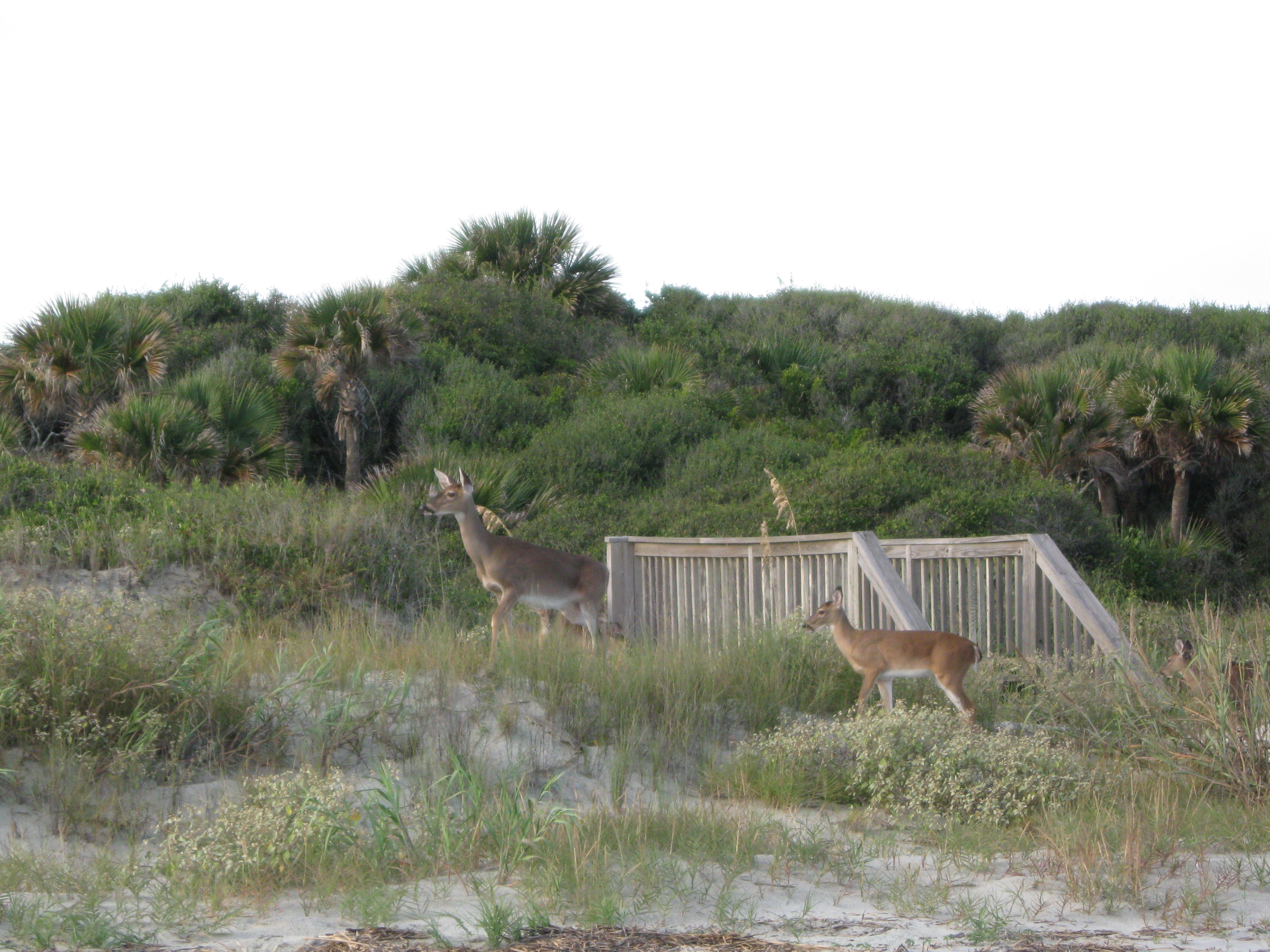
This morning I was practically alone on the beach when I went out. It had been raining all night, but it stopped just as I got to the beach. As I walked along, I saw deer bounding through the dunes and ghost crabs scurrying into their holes. There were no signs of predators near the nests, but crabs, raccoons and coyotes are all potential threats to the sea turtle eggs.

As the nests hatch, the baby turtles have more hazards to overcome on their way to the ocean – they can be eaten by birds, fall into holes people leave in the sand, and go in the wrong direction toward  lights from houses.  Many don’t survive the trip across the beach to the sea.

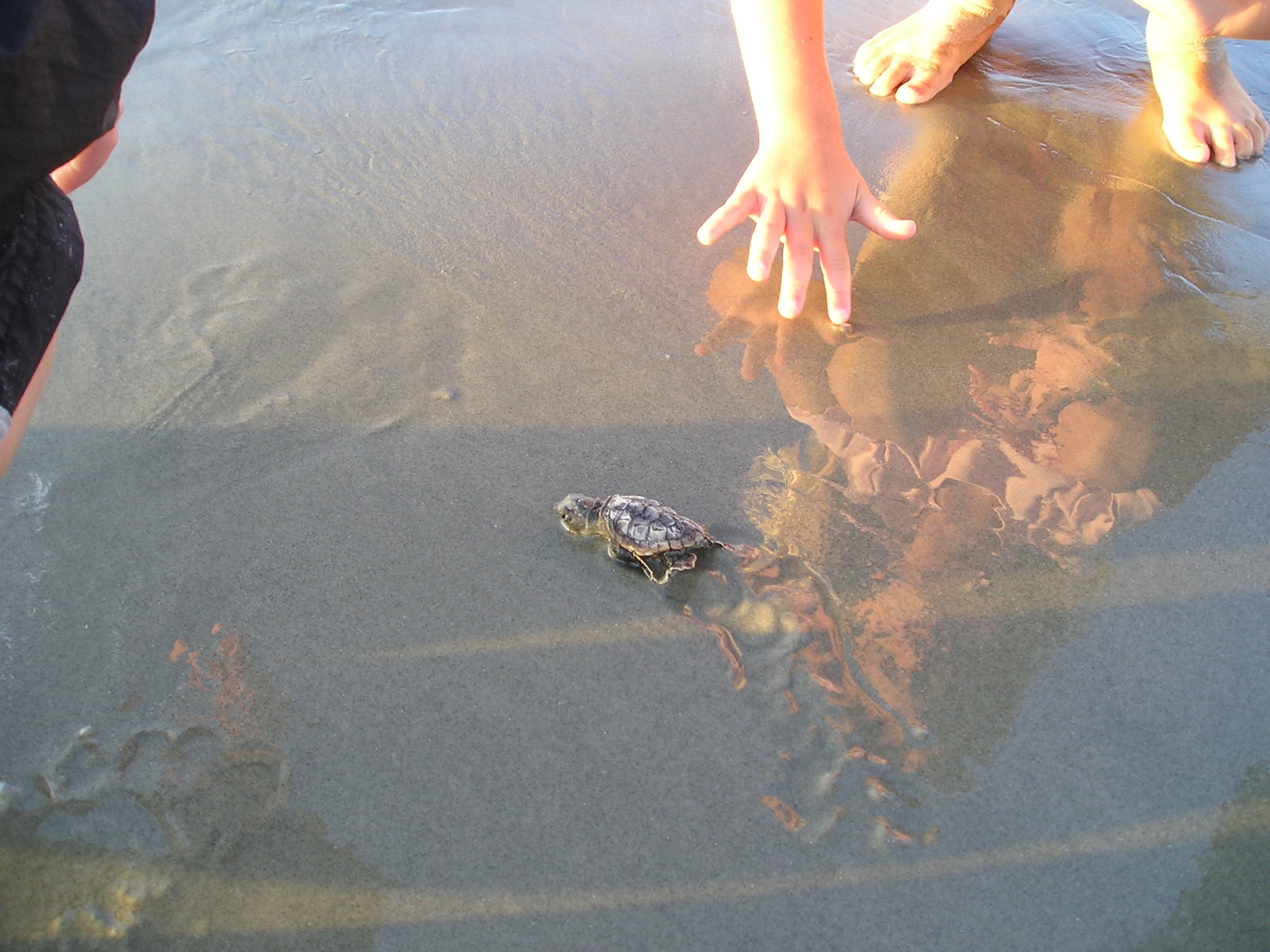
After we see that a nest has hatched, we wait three days, and then dig down into the hole to see how many eggs hatched, and if any live turtles are still inside, perhaps too weak to dig their way out. Volunteers take these turtles down closer to the water, and let them crawl out until a wave catches them and they start swimming. Usually a crowd of people gathers, and everyone clears a path for the turtles, shoos away the birds, and cheers when the turtles finally swim away with their little heads bobbing up for air.

It’s impossible to start the day with anything but a smile after witnessing something like that. I head back to the house where others are just beginning to stir, ready for coffee and breakfast, sandy, sweaty and hot, but knowing that I might have just spent the most valuable hour of my day.

Running with friends

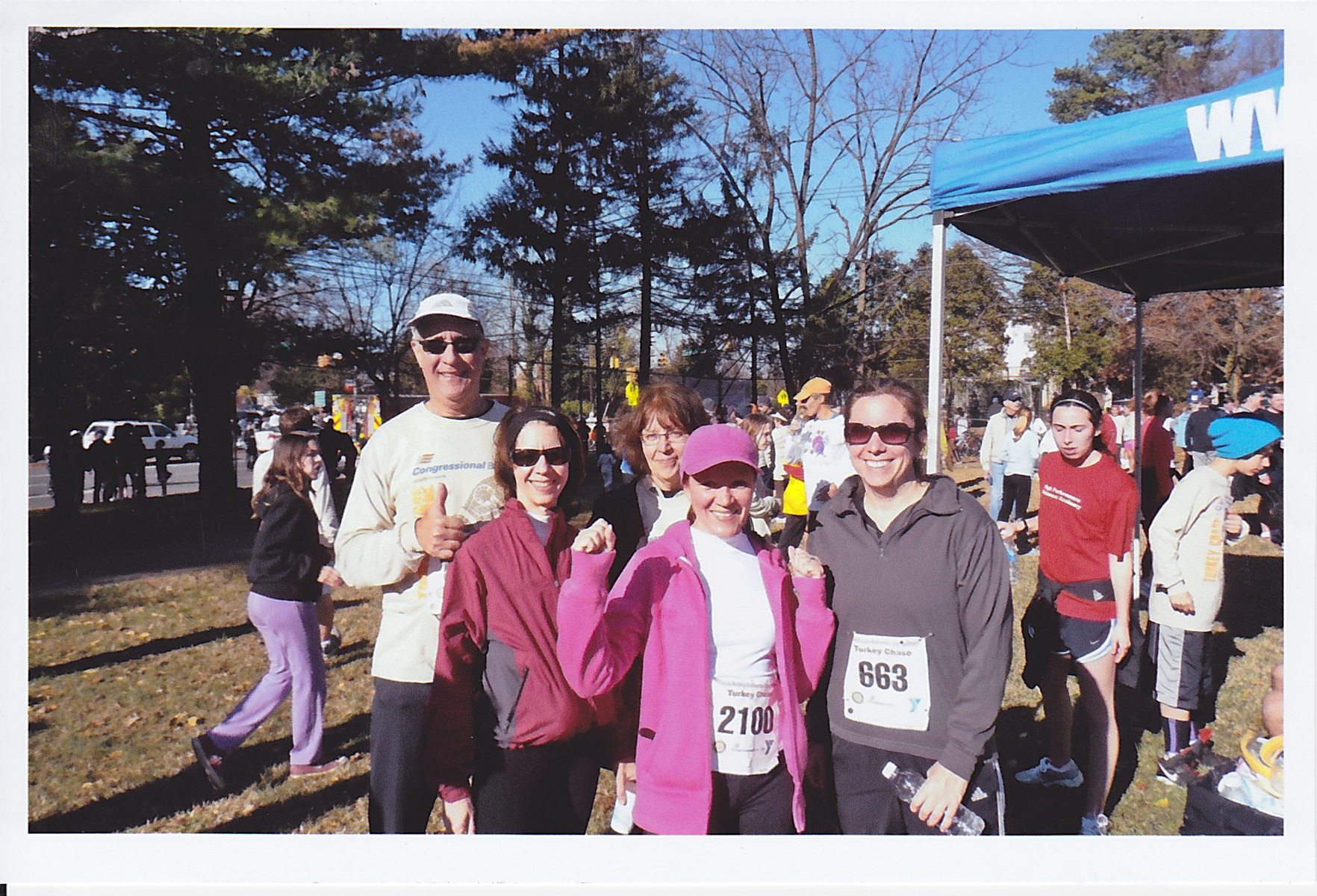
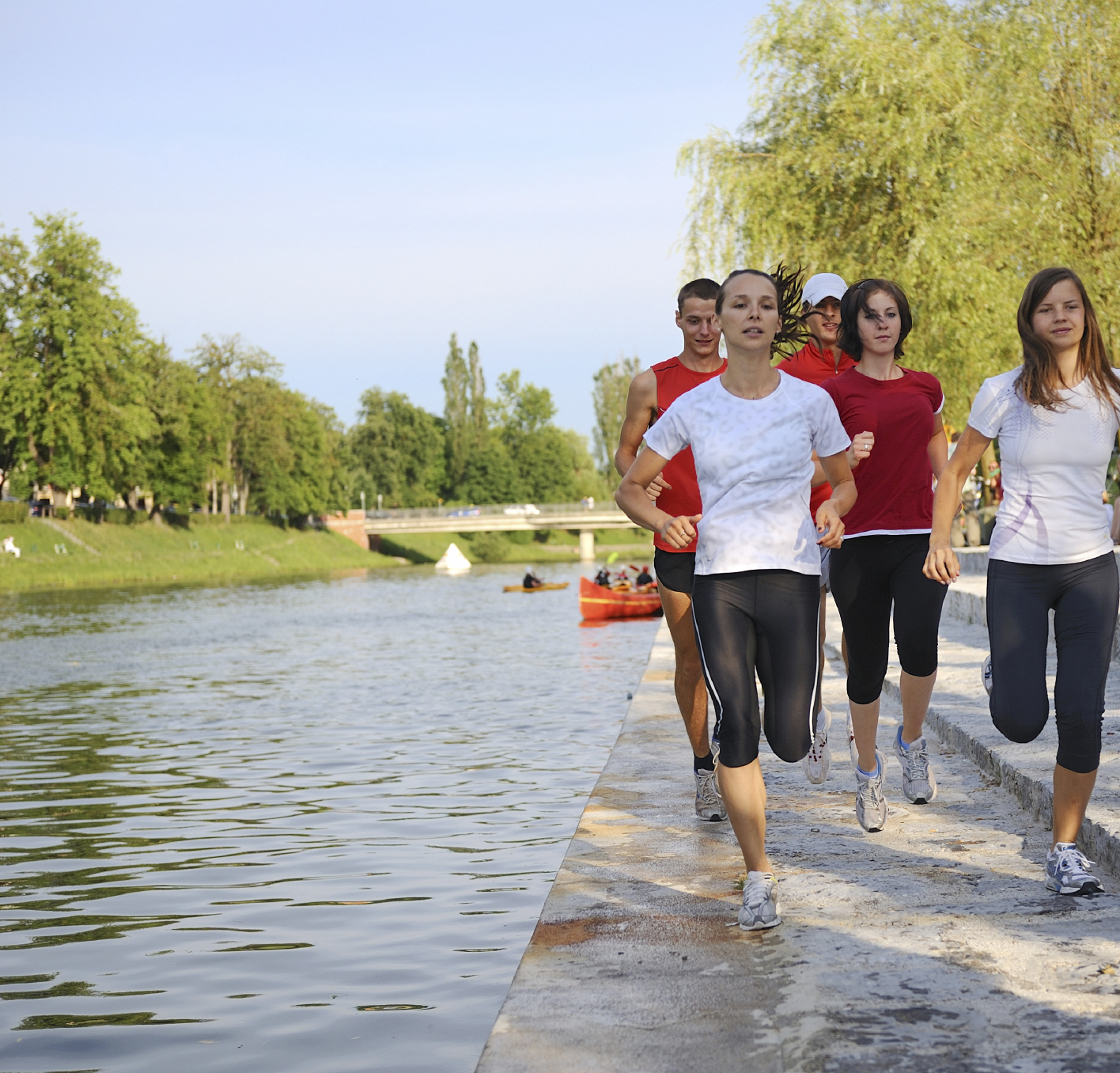
Yesterday I ran a 10k race, the longest I’ve run since my last 10k in November. I would not have done it without my running partner, Naomi.  I would say we keep each other motivated, but it’s more like we keep each other from being slackers. Neither of us loves running enough to do it consistently on our own. But knowing that we’re each depending on the other keeps us going.

Years of studies consistently show that social support is a significant factor in keeping people exercising, especially women. One recent study indicates that it is the esteem social support that is most significant – the positive feedback, encouragement and compliments we receive from others. On the other hand, companionship social support – having another person exercise with you – can actually keep people from exercising more strenuously.

I guess in some ways, that’s what’s happening with my friend and me. We keep each other running, but we don’t often push each other to work harder. We talk a lot while we run; a favorite question when the running gets difficult for one of us is, “Do you have a good story?” We don’t work together or live near each other, so hearing about each other’s lives is a great diversion. This doesn’t lend itself to doing speed work, but it has made us better friends over the years.

I could, and sometimes do, run with my husband. He’s good about keeping us on pace and running longer distances. But he sets a high standard for himself and that can sometimes carry over to me. Running with my friend, by comparison, is pretty much judgment-free. If one of us wants to walk, we walk. If one of us wants to run 3 miles instead of 4, that’s what we do. And if one of us suggests a 10k, the other one usually agrees.

The question, I guess, is what’s enough? While I know that challenging myself physically can prepare me for other challenges in life, I’m not the kind of person who needs to run a marathon to accomplish that. I have plenty of other opportunities in my life to prove myself, and to get that runner’s “high” feeling. Running is just one of the ways that I stay healthy. So even though it was a bit disheartening to see the fastest runners returning toward us when we were still two miles from the finish, I don’t feel too bad about our 10-1/2 minute miles yesterday. We ran 6.2 miles for the first time this year, and we felt pretty good at the end of it.

Olympian Wilma Rudolph, once the fastest woman in the world, said that she “… loved the feeling of freedom in running, the fresh air, the feeling that the only person I’m competing with is me.” My wish for every run is to find that kind of freedom and to feel the lightness that can come from running unencumbered in the fresh air. I may not be setting records, but I’m still running, and I’m glad I’m not alone.